
Are Electric Vehicles Cheaper to Insure in California? (The Myth vs. The Reality)
Many Californians, when they buy an electric vehicle, assume their car insurance will automatically drop. It’s a nice thought, isn’t it? Go green, save money on gas, and then save even more on insurance. The short answer is yes, sometimes you can find discounts. The real answer is much more complicated.
See, the truth is, electric vehicles – EVs – often cost more to insure than their gas-powered cousins. That’s a surprise to a lot of folks. You might think, “Less moving parts, no oil changes, must be cheaper to maintain.” And while routine maintenance can be simpler, when an EV gets into an accident, things get expensive fast.
The Sticker Shock: Why EVs Cost More to Fix
Imagine your new Tesla Model 3 or Rivian R1T gets a fender bender on the 405. It’s not just a dented bumper anymore. These cars pack a ton of advanced tech. Sensors, cameras, intricate wiring – all designed to make your drive safer, but also pricier to repair. Specialized parts are the norm. Few body shops, especially outside of major metro areas like Los Angeles or San Francisco, have the certified mechanics or equipment to handle these repairs.
Then there’s the battery pack. It’s the heart of the car, and it’s incredibly expensive to replace or even just repair. Even a seemingly minor accident could compromise the battery, requiring specialized diagnostic work or, worst case, a full replacement. We’re talking tens of thousands of dollars. Insurers see this. They crunch the numbers. Higher repair costs mean a bigger payout if something goes wrong, and that gets reflected in your premium. So, while you’re enjoying those HOV lane privileges on the 101, your insurer is calculating the potential cost of that unfortunate encounter with a concrete barrier.
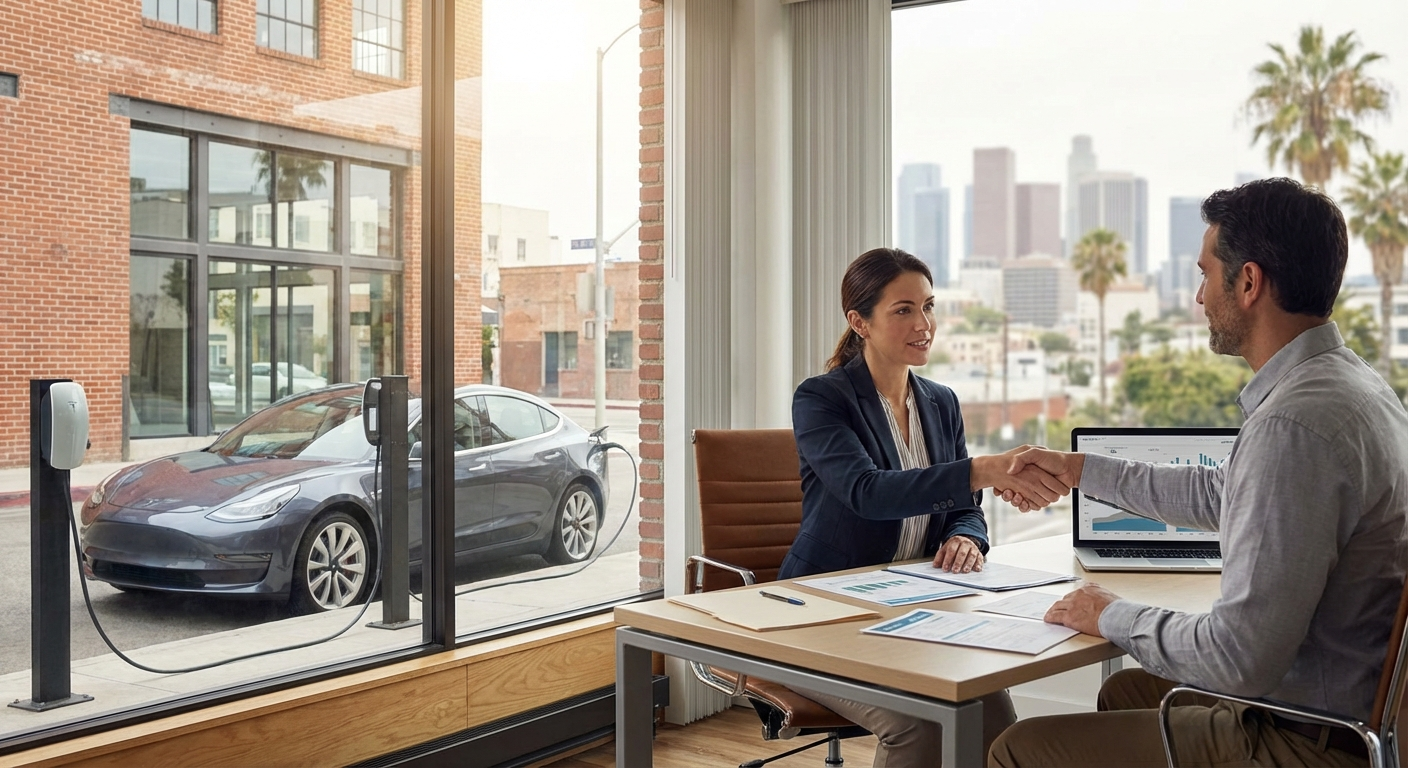
The Green Bonus: Real EV Insurance Discounts You Can Get
But here’s where it gets interesting. While the base cost of insuring an EV might be higher, many insurance carriers *do* offer specific discounts that can help offset that sticker shock. It’s not a given, but it’s definitely something to ask about.
For starters, some companies offer a “green vehicle” discount. It’s a small percentage, sure, but every little bit helps. They want to encourage environmentally friendly choices, and this is one way they do it. Think of it as a pat on the back for ditching the gas pump.
Then there are mileage discounts. Many EV owners, especially if they’re charging at home, tend to drive less overall. Or their commute is shorter, maybe just from Santa Clarita down to the Valley. Less time on the road means less risk of an accident. And less risk means a potential break on your premium. If you’re only putting 5,000 miles on your EV each year, you’re a much lower risk than someone driving 15,000 miles.
Telematics and Your EV: A Match Made in Heaven?
This brings up something most people miss: telematics programs. These are those little devices or apps that track your driving habits – how fast you go, how hard you brake, how quickly you accelerate. EVs are often perfect for these programs. Why? Because electric motors deliver smooth, instant torque, which means less jerky acceleration and braking for many drivers. You’re not revving an engine; you’re just gliding. Smoother driving often translates to safer driving, and safer driving can mean significant discounts through telematics.
Of course, some folks don’t like the idea of their insurance company knowing their driving habits. That’s a valid concern. But if you’re already a careful driver, and you don’t mind sharing that data, a telematics program could shave a nice chunk off your premium.
And don’t forget the standard discounts that apply to all cars, EVs included. Bundling your auto policy with your homeowner’s insurance – especially if you’re in an area like Ventura County, where home insurance can be a headache – can save you a bundle. Good driver discounts, multi-car discounts, even discounts for paying your premium in full. These all add up. Plus, EVs are often packed with advanced safety features like automatic emergency braking, lane-keeping assist, and blind-spot monitoring. These aren’t just fancy gadgets; they actively reduce the chance of an accident, and insurers love that.
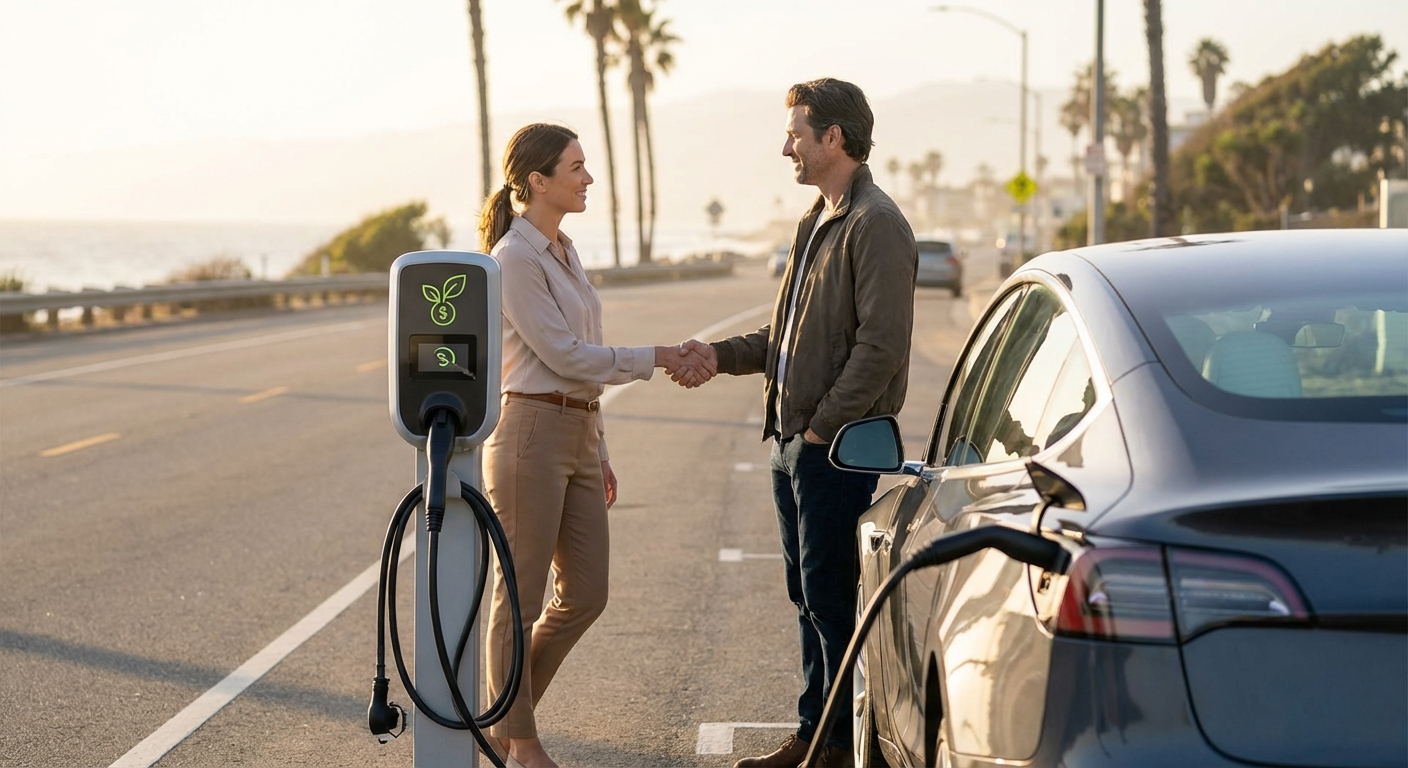
The California Factor: What Makes EV Insurance Unique Here?
California is, well, California. Everything’s a little different here, and car insurance is no exception. Prop 103, passed way back in 1988, dictates that your premium must primarily be based on three factors: your driving record, the number of miles you drive, and your years of driving experience. Vehicle type comes later. This means those green vehicle discounts or low mileage benefits can have a real impact, directly tying into those primary factors.
But wait — California also has some of the highest repair costs in the country. Labor rates are steep. Parts have to travel. And with the increasing complexity of EVs, the scarcity of specialized repair shops makes repairs even pricier, especially in dense urban areas like the Inland Empire or the Bay Area.
We’ve also seen our share of natural disasters. The recent wildfires in Ventura County or the mudslides in Malibu don’t just affect homes; they can total vehicles. While this isn’t specific to EVs, it contributes to the overall high cost of insurance in the state. And when you factor in the high value of many EVs, replacing one after a total loss can be a substantial claim. The unique challenges of the California market mean you need an expert on your side, someone who understands these local nuances.
Beyond the Discount: Other Ways to Save on Your EV Insurance
So, you’ve got your EV, you’re looking for discounts. What else can you do?
One simple trick is to consider a higher deductible. If you’re comfortable paying more out-of-pocket for a claim, your monthly premium will drop. Just make sure you have the funds set aside in case you need them.
Always, always shop around. Don’t just stick with your current carrier because it’s easy. Different insurers – State Farm, AAA, Farmers, Progressive – they all have different appetites for risk, and different discount structures. What one company charges for your Tesla, another might be significantly less. That’s where an independent agent like Karl Susman comes in. He and his team at Los Angeles Auto Insurance Quotes, CA License #OB75129, work with multiple carriers, not just one. They can compare quotes and find those hidden discounts you might miss on your own.
So, Is an EV Worth It for Insurance Savings Alone?
Honestly, no. If your only reason for buying an electric vehicle is to save money on car insurance, you’re likely to be disappointed. The initial higher premiums for EVs, driven by those expensive repair costs and advanced technology, can easily eat up any green vehicle discounts you find.
But that’s not the whole story. The real value of an EV comes from the whole package: the fuel savings, the reduced maintenance (no oil changes, fewer brake pad replacements thanks to regenerative braking), the potential tax credits, and yes, the environmental benefits. When you add up the total cost of ownership, an EV can absolutely make financial sense. The insurance discounts are just one piece of a much larger, greener puzzle.
Ready to see how much you could save on your electric vehicle insurance in California? Get a personalized quote right now. https://losangelesautoinsurancequotes.com/quote/
Common Questions About Insuring Your Electric Vehicle in California
Do all insurance companies offer EV discounts?
Not all of them, no. Many major carriers have started to offer specific discounts for electric vehicles, or they factor in things like lower mileage and advanced safety features that are common in EVs. But it’s not universal, and the amount of the discount can vary a lot from one company to another. It really pays to ask and compare.
Will my premium go up if I install a home charging station?
Generally, installing a home charging station won’t directly impact your auto insurance premium. Your car insurance covers the vehicle itself. However, a permanent fixture like a Level 2 charger might be considered an upgrade to your home, which could potentially affect your homeowner’s insurance. It’s a good idea to let your homeowner’s insurer know about any significant home improvements.
Are older EVs cheaper to insure than new ones?
Usually, yes. Like any car, an EV depreciates over time. An older EV typically has a lower market value than a brand-new one, which means the cost to replace it after a total loss is lower for the insurer. Plus, newer models often come with even more advanced (and expensive to repair) technology, making them pricier to cover. So, a five-year-old Nissan Leaf will almost certainly be cheaper to insure than a brand-new Lucid Air.
What about self-driving features? Do those help?
Absolutely. Many advanced driver-assistance systems (ADAS) – often called “self-driving features” – like adaptive cruise control, lane-keeping assist, and automatic emergency braking, are designed to prevent or mitigate accidents. Insurers recognize this. They often offer discounts for vehicles equipped with these safety technologies, regardless of whether the car is electric or gas-powered. Since EVs tend to be at the forefront of automotive technology, they often come standard with many of these features.
Is it harder to find insurance for a Tesla or a Rivian?
It’s not necessarily harder to find insurance, but it can certainly be more expensive. Teslas and Rivians are high-value vehicles, and their parts and specialized repair processes are notoriously costly. This drives up the potential payout for insurers, which then translates to higher premiums for owners. You’ll find plenty of companies willing to insure them, but prepare for those quotes to reflect the vehicle’s complexity and value.
For expert advice on insuring your electric vehicle, or any car, in California, reach out to Karl Susman and the team at Los Angeles Auto Insurance Quotes. You can call us directly at (877) 411-5200, or start your quote online today. https://losangelesautoinsurancequotes.com/quote/
Karl Susman, Los Angeles Auto Insurance Quotes, CA License #OB75129
This article is for informational purposes only and does not constitute financial advice.