
That Dreaded “Click-Click-Click”: Why Roadside Assistance Isn’t Just for Old Clunkers
Picture this: You’re leaving the grocery store, bags in hand, ready to head home. You hop in your car, turn the key, and… *click-click-click*. Nothing. Or maybe you’re cruising down the 101, minding your own business, when suddenly your tire goes flat. A big, ugly *thump-thump-thump*.
Many folks think roadside assistance is only for those beat-up cars from the 90s, the ones that barely make it to the next oil change. That’s a common misconception. The truth? Even brand-new cars, fresh off the dealer lot, get flat tires. Batteries die unexpectedly. Keys get locked inside. Running out of gas? Happens to the best of us, especially when you’re pushing it through the long stretches of the Central Valley.
Modern cars, while amazing, can be tricky. Changing a flat isn’t always as simple as it used to be. Sometimes the spare is tucked away, or the lug nuts are on so tight you need a superhuman to budge them. And trying to flag down help on a busy freeway like the 405 near the Sepulveda Pass? Forget about it. You’re just asking for trouble. Being stranded isn’t just an inconvenience; it can be downright dangerous.
Is It *Really* Worth the Extra Few Bucks?
Honestly, yes. It’s one of the best bargains you’ll find on your auto insurance policy. Most of the time, adding roadside assistance tacks on just a few dollars a month, sometimes even less. Think about that for a second. A single tow in California can easily run you a couple hundred bucks, especially if you’re not in a major metro area. A jump start from a local service? That’s fifty to seventy-five dollars, at least.
Now, compare that to paying, say, twenty to forty dollars *a year* for roadside coverage. The math speaks for itself. It’s insurance for the little emergencies, the ones that throw a wrench in your day but don’t cause a major accident. It’s peace of mind, plain and simple.
Insurer vs. AAA: Who Ya Gonna Call?
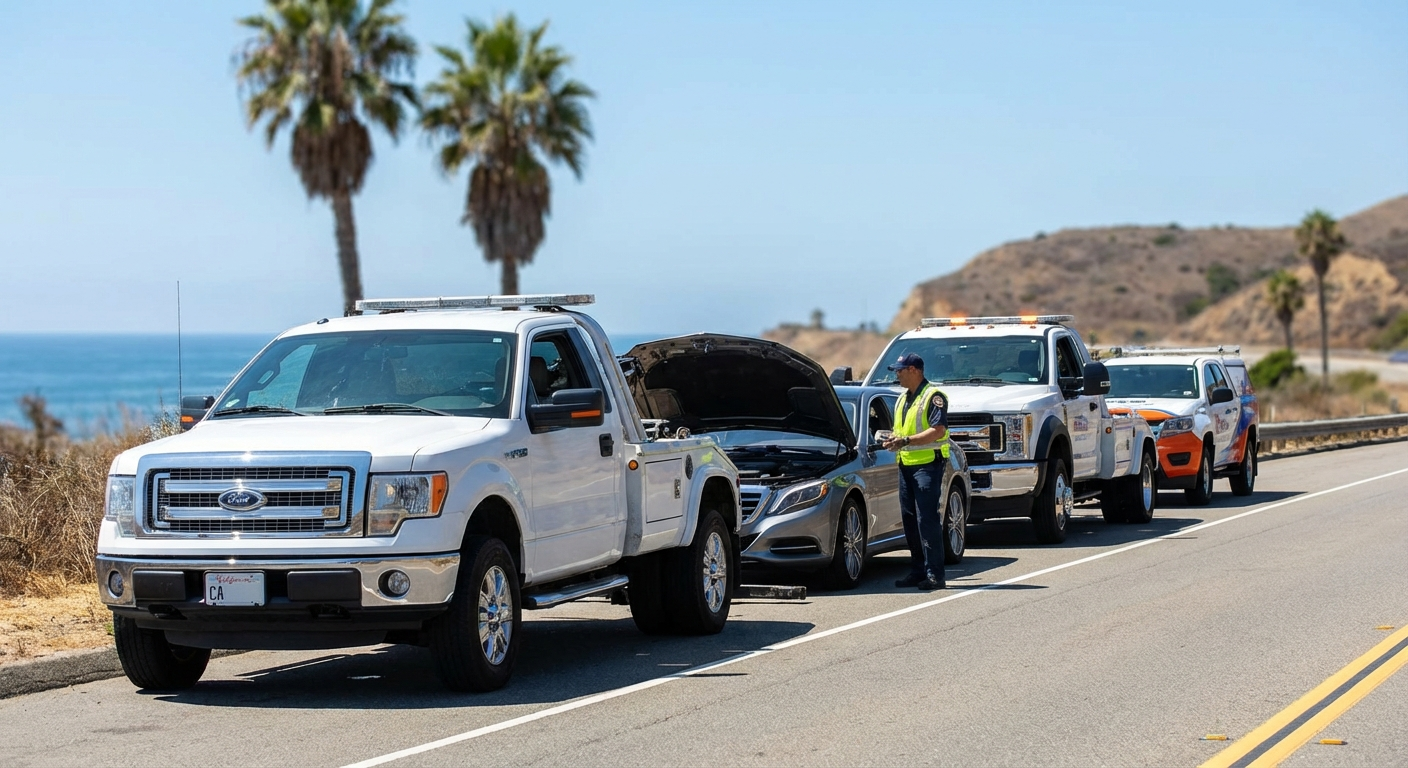
Most people instinctively think of AAA when “roadside assistance” comes up. It’s almost synonymous, right? But here’s the thing: your auto insurance company often offers its own roadside assistance program, and it might be a surprisingly good fit for you. Sometimes, it’s even better for your specific needs than a separate AAA membership.
It’s not a one-size-fits-all answer. Both options have their pros and cons.
With your insurer, the service is usually bundled right into your existing policy. One bill, one contact number for all your car-related headaches. Convenient. AAA, on the other hand, is a separate membership with its own annual fee. That’s an extra bill to remember.
That’s not the whole story. Let’s talk about towing limits. AAA might boast longer towing distances – 100 miles or even 200 miles for their premium tiers. Your insurance company might offer a more modest 10, 15, or 25 miles. For many California drivers, especially those who stick to urban and suburban areas like the Inland Empire or the Valley, a 15-mile tow limit is perfectly adequate. How often do you break down more than 15 miles from a qualified mechanic in, say, Orange County? Not often. But if you’re regularly driving long distances through remote areas, like up to Lake Tahoe or along Highway 395, those extra miles from AAA could be a lifesaver.
What Most People Miss About Towing Limits
The key is to think about your actual driving habits. If your daily commute is 20 miles and you rarely venture far from home, a basic 15-mile towing benefit might save you money without sacrificing much. But if you’re an adventurer, constantly exploring the vastness of California, from the redwoods to the desert, those extra miles from a premium AAA membership might make sense. Sometimes, insurers even partner with services *like* AAA, so you get the same network of providers but through your insurance policy. It just depends on the carrier.
What’s Covered (and What’s Not) When You’re Stuck on the I-5
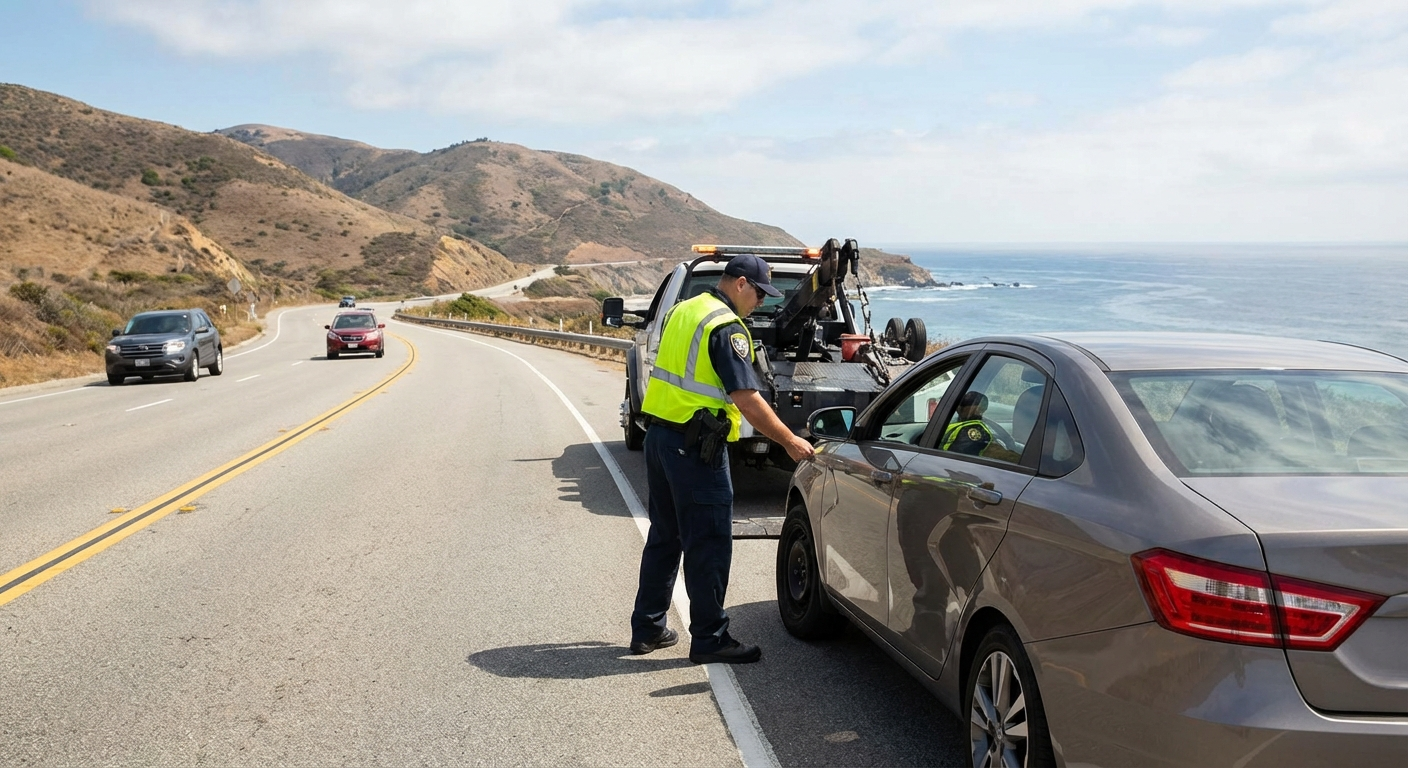
So, you’ve got roadside assistance. What exactly does that mean when you’re stuck on the side of the road, watching traffic fly by on the I-5?
The Usual Suspects:
* Towing: This is the big one. If your car can’t be fixed on the spot, they’ll tow it to the nearest qualified repair shop or to a specific distance outlined in your policy.
* Flat Tires: They’ll send someone to change your flat tire and put on your spare. This assumes you *have* a spare and it’s in good condition.
* Battery Jump-Starts: Dead battery? They’ll give you a boost to get you going.
* Lockout Service: Keys trapped inside your car? It happens. They’ll send someone to get them out for you.
* Fuel Delivery: Ran out of gas? They’ll bring you enough fuel to get you to the nearest gas station. Just know that you’ll pay for the actual gas, but not the delivery service itself.
The Less Obvious:
* Winching: If you’ve slid off the road into a ditch – maybe during a surprise rainstorm in the Santa Cruz Mountains – and your car isn’t technically “stuck” but can’t be driven out, they might be able to winch you back onto solid ground.
The “Not Always” List:
* Cost of Parts: Roadside assistance covers the *service*, not the cost of new parts. If you need a new tire, a new battery, or other repairs, that’s on you.
* Major Mechanical Repairs: Don’t expect a mobile mechanic to overhaul your engine on the shoulder of the freeway. They’re there for immediate, minor issues or to get you to a shop.
* Towing Beyond the Specified Mileage: If your policy covers a 15-mile tow and your preferred shop is 25 miles away, you’ll be responsible for the extra 10 miles.
* Other Vehicles: Generally, your roadside assistance applies to *your* insured vehicle. You can’t usually use it for your friend’s car, though some policies might extend to family members driving your car. Read the fine print.
The California Factor: Why Being Prepared Matters Here
California is a beast. Our freeways are notoriously busy, and being stranded on the 405 or the 880 during rush hour isn’t just inconvenient; it’s genuinely stressful and can be dangerous. Our weather varies wildly, too. Blistering heat in places like Bakersfield or Palm Springs can cook an engine, while heavy winter rains in Northern California can lead to hydroplaning and minor fender benders.
Then there are the vast, remote stretches. Try getting a quick tow in the middle of nowhere on Highway 1 between Big Sur and Cambria. It can take hours. Or imagine breaking down in Death Valley. You need a plan. The sheer number of cars on California roads means a higher probability of incidents, big or small. Having that safety net is just smart.
Will Using Roadside Assistance Hike Your Premiums?
This is a really common concern. Many people avoid calling for help because they’re convinced it’ll make their insurance rates skyrocket. The short answer is no, not usually. The real answer is more complicated.
For a single, occasional use – a dead battery, a flat tire, a lockout – it’s highly unlikely to impact your premiums. Insurers expect you to use the services you pay for. That’s why you have it. It’s generally not considered an “at-fault” incident like an accident would be.
But wait — if you’re calling your roadside assistance provider *every other month* because you keep running out of gas, or your ancient battery dies constantly, or you’re always locking your keys in the car, that’s a different story. A pattern of frequent, preventable calls *could* be flagged. Your insurer might start to see you as a higher risk. It’s about how often you use it, not usually a one-off incident. Don’t be afraid to use it when you genuinely need it.
How to Get It (or Check if You Already Have It)
The easiest way to find out if you have roadside assistance, or to add it, is to simply call your current insurance agent. You can also dig through your policy documents; it’s usually listed under a section like “Emergency Road Service” or “Roadside Assistance.”
If you’re shopping for new auto insurance, make sure to ask about it specifically. It’s often an optional add-on, but sometimes it’s even included in certain premium packages.
If you’re unsure about your current coverage or want to explore options, Karl Susman and the team at Los Angeles Auto Insurance Quotes, CA License #OB75129, are always ready to help. They can walk you through the details and explain what makes sense for your driving habits. Call them at (877) 411-5200.
Ready to see how affordable peace of mind can be? Get a personalized quote for California auto insurance, including roadside assistance, right now. https://losangelesautoinsurancequotes.com/quote/
The Real Cost of Being Unprepared
Beyond the actual financial hit of paying for a tow truck out of pocket, think about the other costs. There’s the lost time – missing work, a critical appointment, or just a relaxing afternoon. There’s the stress and frustration. And there are the safety concerns, especially if you’re stuck somewhere unfamiliar, late at night, or in a sketchy area. The peace of mind that comes with knowing a call will bring help is often the biggest benefit of all.
Frequently Asked Questions About Roadside Assistance
Can I use my roadside assistance for someone else’s car?
Generally, no. Roadside assistance is typically tied to your specific policy and the vehicles listed on it. While some policies might extend coverage to family members driving *your* car, you usually can’t use it for a friend’s vehicle or a car you don’t own.
Does roadside assistance cover the cost of a new tire or battery?
No, it doesn’t. Roadside assistance covers the *service* of changing a flat tire (using your spare) or jump-starting a dead battery. The cost of a brand-new tire, a new battery, or any other replacement parts falls to you.
How quickly do they usually arrive?
This varies a lot. If you’re in a major metropolitan area like Los Angeles or San Francisco, response times can be quicker – sometimes 30-60 minutes. But if you’re in a rural area, during peak traffic, or in bad weather, it could take an hour or two, or even longer. Patience is a virtue when you’re waiting for help on a remote stretch of Highway 58.
What if I break down far from home?
Your roadside assistance generally follows you wherever you go, as long as you’re within the service area (usually the U.S. and Canada). The mileage limits for towing still apply, but the service isn’t restricted to your home county or even your home state.
Don’t get caught stranded on the side of a California highway. Find out how easy it is to add roadside assistance to your auto policy today. https://losangelesautoinsurancequotes.com/quote/
This article is for informational purposes only and does not constitute financial advice.