
What Happens After a Fender Bender in Fontana?
Picture the Millers. They live in Fontana, a busy part of the Inland Empire, and they’ve got two kids, a dog, and a minivan that’s seen better days. One Tuesday afternoon, cruising down the 10 on the way to soccer practice, a distracted driver swerves, and *boom* – a minor rear-end collision. Everyone’s okay, mostly just rattled. But a few days later, Mrs. Miller starts feeling a persistent ache in her neck. Her husband, remembering a friend in Arizona talking about “Personal Injury Protection,” or PIP, asks their insurance agent, “Do we have that?”
It’s a common question, honestly. People hear about PIP coverage from friends or family in other states and assume it’s a standard part of their California auto policy. But here’s the thing: California doesn’t actually offer Personal Injury Protection.
That’s right. The Golden State has its own way of handling medical expenses and lost wages after an auto accident. And understanding those differences can save you a world of trouble – and a good chunk of cash – if you ever find yourself in the Millers’ shoes. Or, heaven forbid, something far worse.
California’s Approach: Medical Payments and Uninsured Motorist Bodily Injury
So, if there’s no PIP, what *does* California offer to help with those immediate medical bills after a crash? Our system leans on two main types of coverage for personal injury: Medical Payments coverage, often called MedPay, and Uninsured/Underinsured Motorist Bodily Injury coverage. Both are designed to help you, the policyholder, or your passengers, pay for injuries.
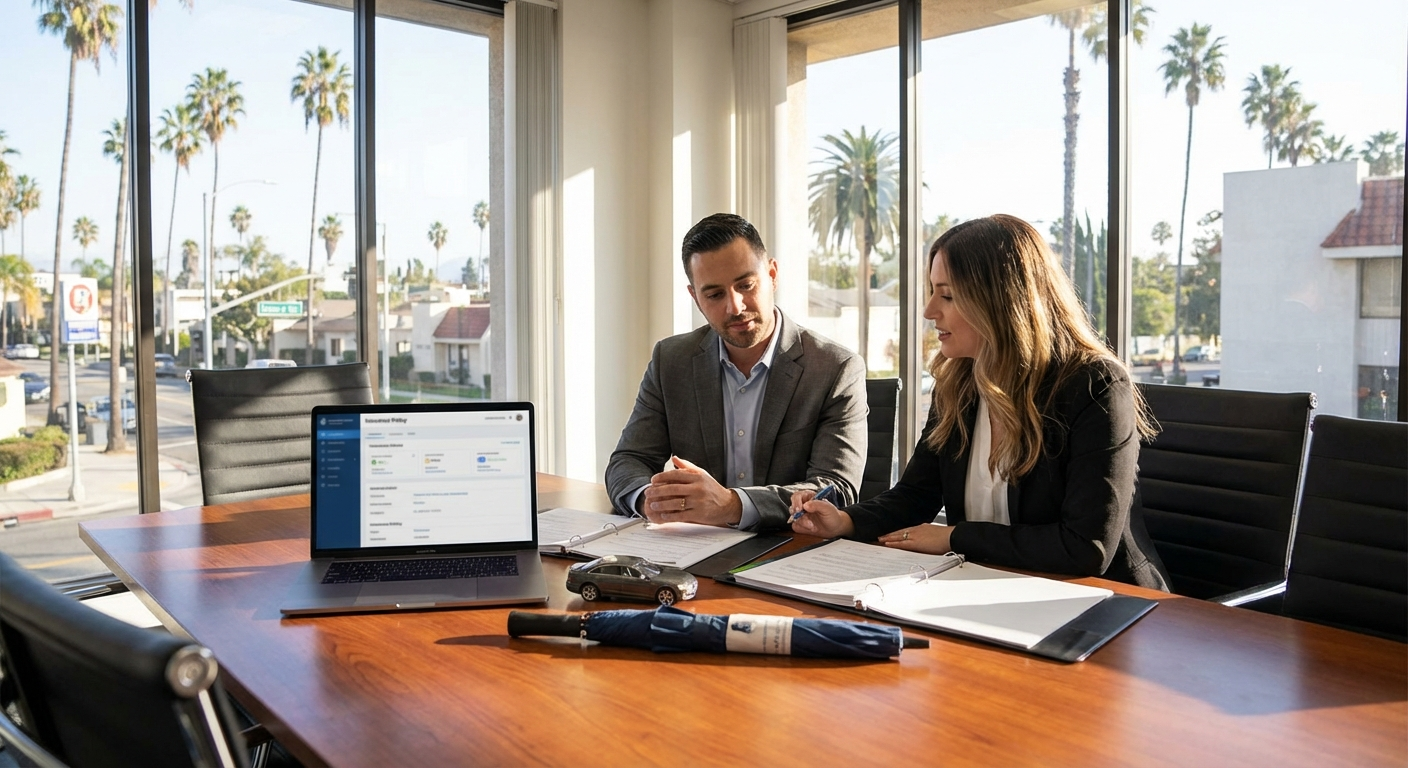
Think of MedPay as your first line of defense. It’s an optional coverage you can add to your auto policy, and it’s pretty straightforward. If you, your family members in the car, or your passengers get hurt in an accident, MedPay kicks in to cover reasonable medical and funeral expenses. It doesn’t matter who was at fault for the crash. That’s a big deal. Whether you rear-ended someone on the 405 or someone ran a red light on Ventura Boulevard and hit you, MedPay is there for you, up to your policy limits.
Most policies offer limits ranging from a few thousand dollars — say, $1,000 or $5,000 — all the way up to $25,000. It covers things like ambulance rides, emergency room visits, doctor appointments, X-rays, and even some chiropractic care. The beauty of MedPay is that it pays out quickly, often before your regular health insurance even gets involved. It can also cover your health insurance deductible or co-pays. Which brings up something most people miss: it’s not meant to replace your health insurance, but to supplement it.
When MedPay Isn’t Enough: Enter Uninsured/Underinsured Motorist Coverage
MedPay is great for those initial costs, but what if Mrs. Miller’s neck injury turns out to be more severe, requiring months of physical therapy and maybe even some time off work? What if the other driver had no insurance at all? Or maybe they only carried the bare minimum California requires, which, frankly, isn’t much these days given the cost of medical care in places like Los Angeles or Orange County.
This is where Uninsured/Underinsured Motorist Bodily Injury coverage (UM/UIM BI) becomes absolutely essential in California. Seriously, this coverage is non-negotiable for most people living here. California has one of the highest rates of uninsured drivers in the country. Some estimates hover around 15%, but honestly, on some freeways, it feels a lot higher. If an uninsured driver hits you, and you don’t have UM/UIM BI, you’re left to pay for your own medical bills, lost wages, and pain and suffering out of your own pocket. Or you sue them, which is often a long, frustrating, and expensive road, usually leading nowhere because uninsured drivers rarely have assets to go after.
UM/UIM BI also protects you if the at-fault driver has some insurance, but not enough to cover all your damages. Say they only carry the minimum $15,000 per person bodily injury liability. If your medical bills alone hit $30,000, your UIM coverage would kick in to cover the difference, up to your policy limits. It’s a vital safety net.
You’ll typically see UM/UIM BI limits mirroring your Bodily Injury Liability limits – for example, $100,000 per person / $300,000 per accident. And choosing limits that are too low is a gamble that rarely pays off. Imagine a severe accident on the 5 in the Valley, involving multiple vehicles. Medical costs can skyrocket into the hundreds of thousands, or even millions, faster than you think.
The Health Insurance Connection
You might be thinking, “But I have health insurance, doesn’t that cover me?” Yes, it does. Your health insurance will typically cover your medical bills related to an auto accident. But here’s where it gets interesting. Many health insurance plans have high deductibles, co-pays, and out-of-pocket maximums. MedPay can often cover these initial expenses, making sure you don’t have to pay thousands before your health plan even starts paying. It’s like a buffer.
Also, if another driver was at fault, your health insurer might pursue a subrogation claim against them or their insurance company to get reimbursed for what they paid out. This can get complicated. MedPay, however, usually doesn’t have a right of subrogation, meaning the money it pays out for your care is yours to keep, without your health insurer trying to claw it back from the at-fault party.
For someone like Mrs. Miller, dealing with a sore neck and doctor visits, having MedPay means she can get immediate care without worrying about a huge bill hitting her mailbox before her health insurance kicks in, or while the fault determination is still being argued. It provides peace of mind when you’re already stressed.
Why Adequate Coverage Matters More Than Ever in California
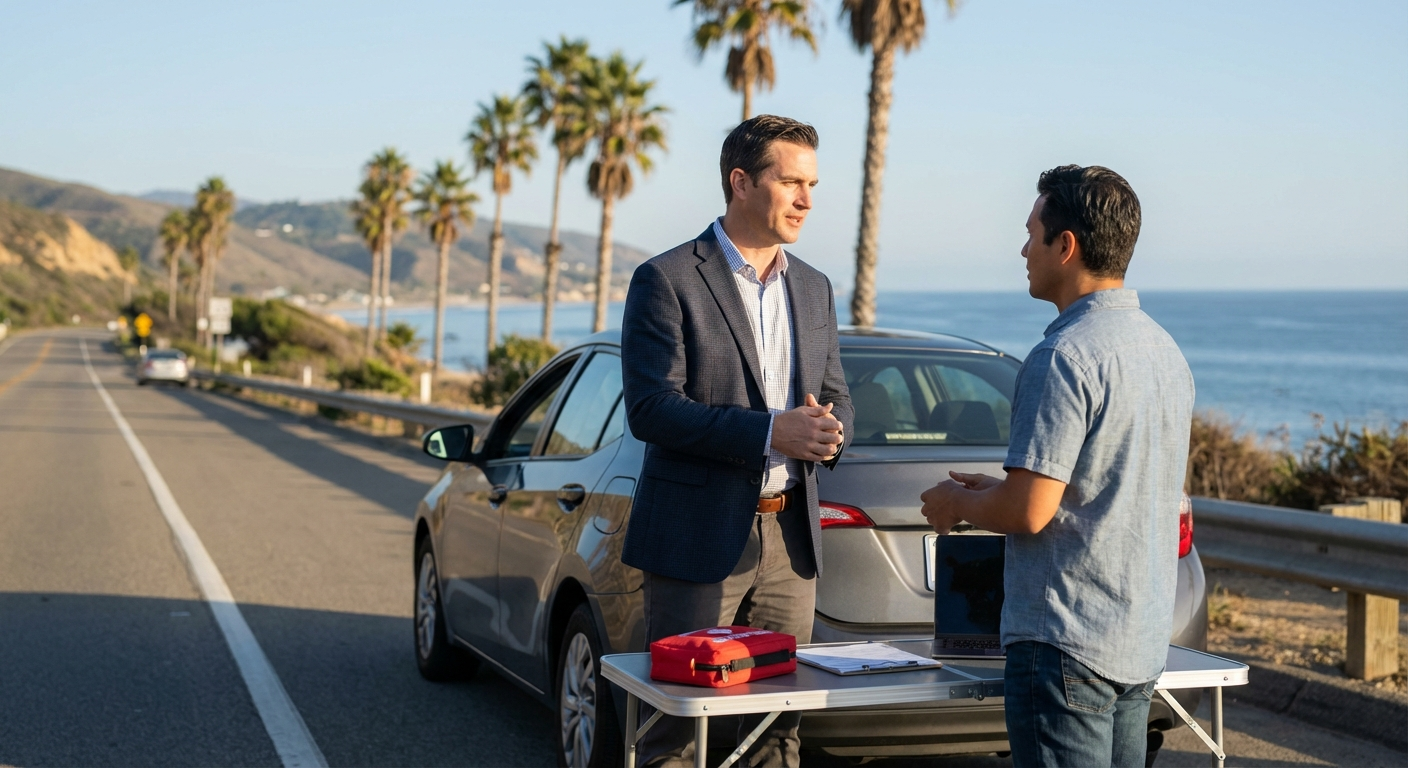
California is an expensive place to live, and that includes healthcare. An ambulance ride can cost thousands. An overnight hospital stay? Forget about it. The premiums for auto insurance have been on the rise, too, for a lot of reasons – more extreme weather events, higher repair costs, and yes, more expensive medical care. Some insurers, like State Farm and Farmers, have even scaled back their offerings in certain parts of the state or stopped writing new policies altogether, especially in wildfire-prone areas, though auto insurance isn’t directly impacted by fires in the same way home insurance is. Still, it signals a broader market tightening.
Many people try to save money by opting for the minimum required liability coverage: $15,000 for injury to one person, $30,000 for injury to all people, and $5,000 for property damage. Honestly, that’s barely enough to cover a minor fender bender with a late-model car, let alone serious injuries. If you cause an accident and your damages exceed those limits, you’re personally responsible for the rest. Your savings, your house – they could all be on the line.
That’s why it’s so important to talk to someone who understands the nuances of California’s auto insurance market. Someone who’s seen the aftermath of underinsured accidents and can explain the real risks. Karl Susman, from Los Angeles Auto Insurance Quotes, CA License #OB75129, has been helping Californians navigate these waters for years. He’ll tell you that while the monthly premium might sting a little, the cost of being underinsured is often far, far worse.
Don’t just assume your coverage is sufficient. Take a moment to understand what you actually have. If you’re unsure about your current auto insurance policy or want to explore options tailored to California’s unique challenges, it’s a smart move to get a professional opinion. You can start by getting a personalized quote right now:
Get Your California Auto Insurance Quote Today
This isn’t just about protecting your car; it’s about protecting your financial future and your family’s well-being. The Millers learned that even a minor accident can bring up big questions about coverage. They ended up increasing their MedPay and UIM limits after talking with an agent who laid it all out for them. It wasn’t the cheapest option, but it was the smartest.
You work hard for what you have. Don’t let a moment of bad luck on the road jeopardize it all. Protecting yourself and your loved ones means having the right coverage in place, specifically for California’s rules. For a clearer picture of your options, it truly pays to talk to an expert. Karl Susman and the team at Los Angeles Auto Insurance Quotes are always ready to help.
Ready to see how your current policy stacks up, or explore better protection for California’s roads? Click here:
Compare California Auto Insurance Options
Frequently Asked Questions About Personal Injury Coverage in California
What is the biggest difference between PIP (Personal Injury Protection) in other states and California’s system?
The main difference is that California doesn’t use the PIP model. In states with PIP, it’s often a mandatory “no-fault” coverage that covers medical expenses and sometimes lost wages, regardless of who caused the accident. California uses a “tort” system, where fault generally determines who pays. Our alternatives, MedPay and UM/UIM Bodily Injury, are designed to cover your injuries, but they operate a bit differently and aren’t always mandatory.
Is Medical Payments (MedPay) coverage required in California?
No, MedPay is an optional coverage in California. However, many insurance professionals, including Karl Susman, strongly recommend it. It provides immediate financial relief for medical expenses after an accident, regardless of fault, and can help cover deductibles or co-pays for your health insurance.
How does my health insurance work with my auto insurance after a crash?
Your health insurance typically covers your medical treatment after an auto accident, just like any other injury. However, MedPay on your auto policy can act as primary coverage for smaller amounts, covering deductibles, co-pays, or even the full cost of initial treatment up to its limits, before your health insurance kicks in. If the other driver was at fault, your health insurer might seek reimbursement from them or their insurance company later.
Why is Uninsured/Underinsured Motorist Bodily Injury (UM/UIM BI) so important in California?
California has a significant number of uninsured and underinsured drivers. If you’re involved in an accident with one of them, and they’re at fault, your UM/UIM BI coverage protects you. It pays for your medical bills, lost wages, and pain and suffering up to your policy limits, effectively acting as the other driver’s insurance when they don’t have enough – or any – of their own.
What if I only carry the minimum liability coverage in California?
The minimum liability coverage in California is $15,000 per person / $30,000 per accident for bodily injury and $5,000 for property damage. While it’s legal, it’s rarely enough to cover serious injuries or significant property damage. If you cause an accident and the damages exceed these limits, you could be personally responsible for the difference, which could lead to severe financial hardship. Most experts advise carrying much higher limits to protect your assets.
This article is for informational purposes only and does not constitute financial advice.