
Leasing a Car in California? Don’t Get Caught Off Guard by Insurance Rules
You’ve picked out that sleek new sedan or maybe a family-friendly SUV. It’s shiny. It smells new. You’re ready to drive it off the lot in California. Maybe you’re even thinking about leasing to keep those monthly payments a bit lower. Sounds great, right?
But here’s where it gets interesting. Many people assume their standard car insurance policy, the one they’ve had for years, will just carry over to a leased vehicle. They figure, “Hey, it’s full coverage, what’s the big deal?”
The short answer is yes, it’s a big deal. The real answer is more complicated, especially in California. Lease companies aren’t just looking for “full coverage” — they’re looking for *specific* full coverage, often with limits far higher than what you might typically carry or even what the state minimums demand. And if you don’t meet those demands, you won’t be driving that new car anywhere.
The Big Three: What Lease Companies Really Want
When you lease a car, you don’t own it. The dealership, or more accurately, their finance arm, still holds the title. This means they have a vested interest in protecting that asset. Your insurance, to them, is basically a financial guarantee. They want to make sure that if anything happens to their car — *your* leased car — they’re not left holding the bag.
Bodily Injury Liability: It’s Not Just About You
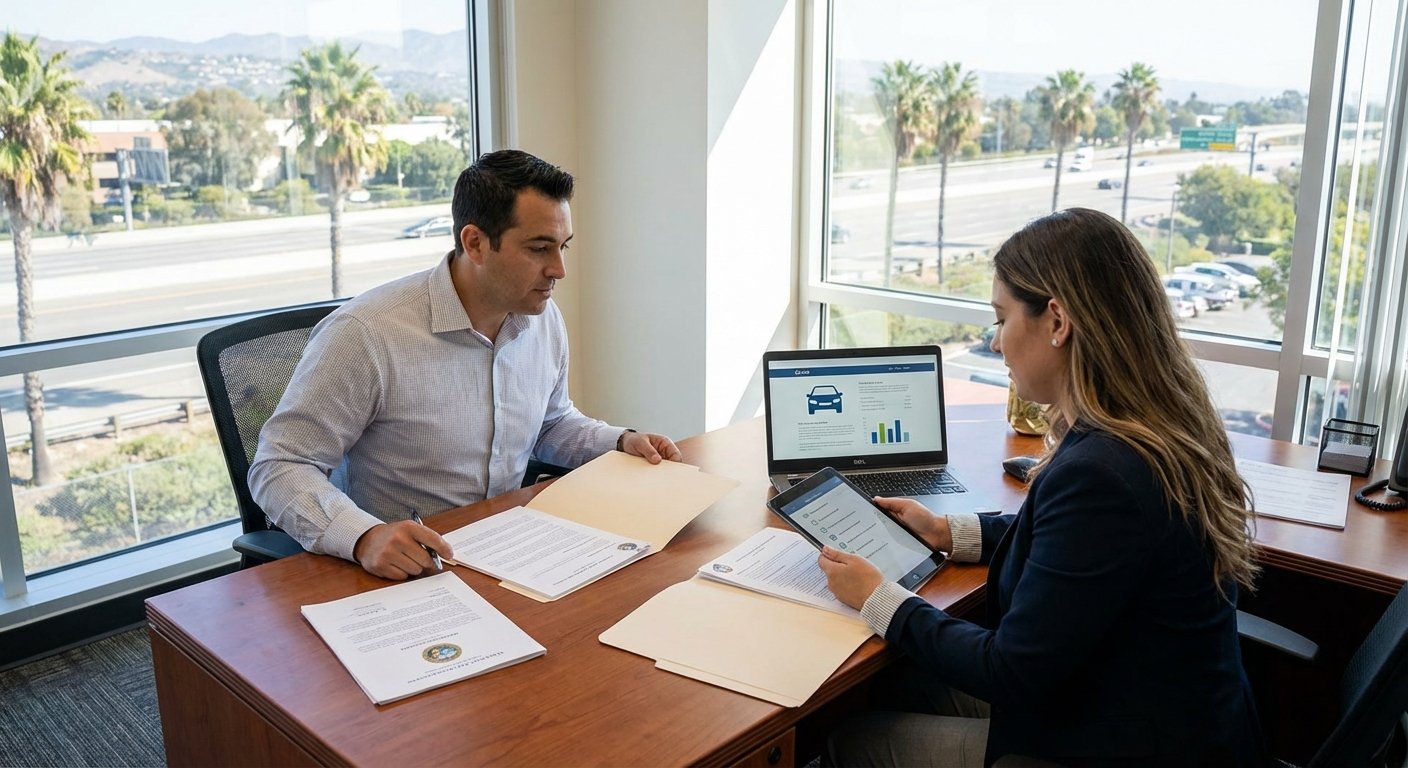
California’s bare minimum for bodily injury liability is pretty low: $15,000 per person and $30,000 per accident. Honestly, that’s barely enough to cover a trip to the emergency room these days, let alone serious injuries.
Lease companies know this. They typically demand much higher limits. You’ll often see requirements like $100,000 per person and $300,000 per accident. Why? Because if you cause a serious accident in *their* car, and the damages go beyond your insurance limits, they could potentially be sued. They’re trying to protect themselves from that nightmare scenario. Imagine a multi-car pile-up on the 405 near the Valley — injuries can easily run into the hundreds of thousands.
Property Damage Liability: Protecting Their Investment
Just like bodily injury, California’s minimum for property damage liability is a meager $5,000. That might cover a fender bender with an older car, but good luck replacing a brand new Tesla’s bumper and lights with that.
Lease agreements usually bump this up significantly. Expect to see requirements for $50,000 or even $100,000 in property damage liability. With the average cost of new vehicles climbing — and the price of parts and labor skyrocketing — that higher limit is a must-have for lessors. They want to ensure there’s enough money to fix or replace whatever you hit while driving their car.
Collision and Comprehensive: The “Full Coverage” Myth
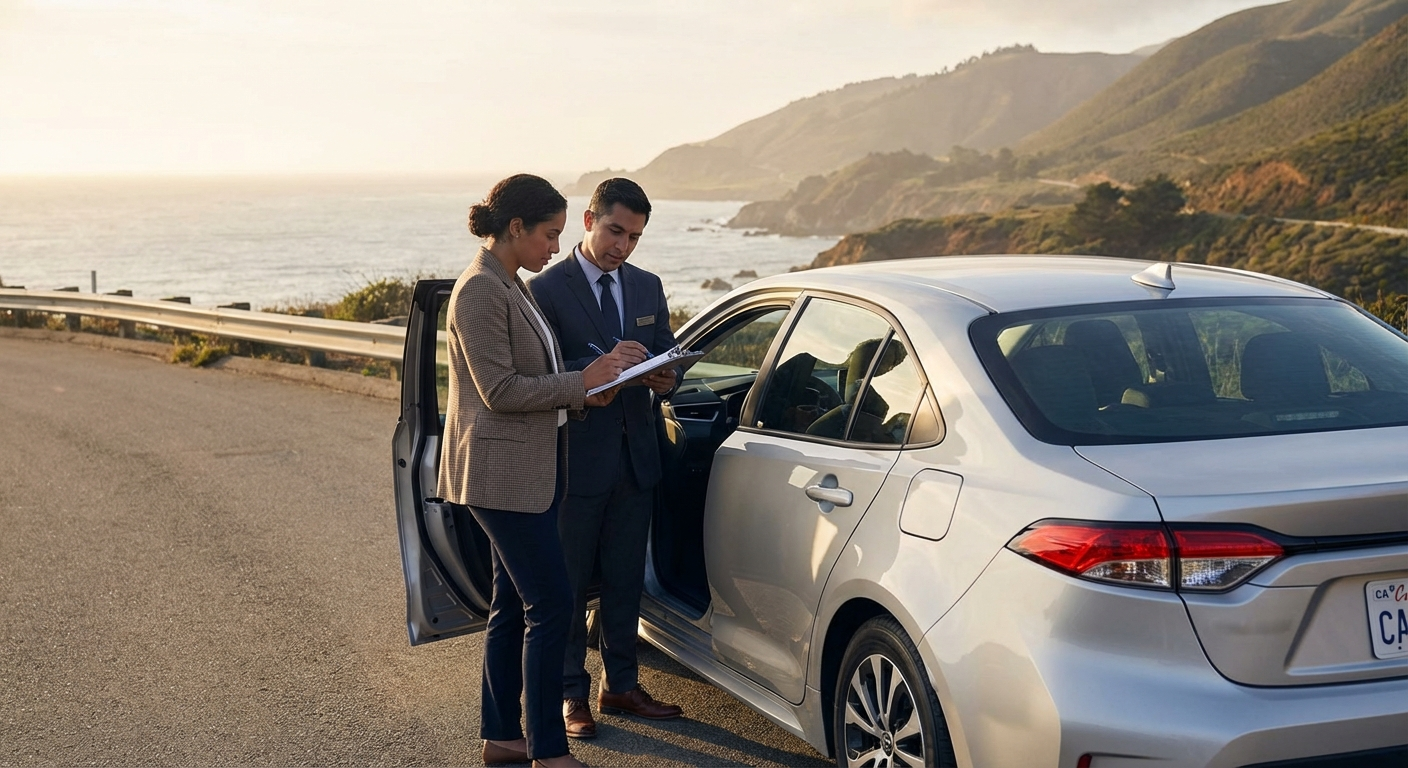
Everyone talks about “full coverage.” But what does it actually mean? It’s not one specific policy; it’s a combination of different coverages. For lease companies, “full coverage” specifically means you *must* have both collision and comprehensive coverage.
Collision coverage pays for damage to your leased car if you hit another vehicle or object, or if it rolls over. Comprehensive coverage handles things like theft, vandalism, fire (a real concern with those Santa Ana winds in Ventura County), hail, or hitting an animal.
Lease companies will always require these. And they’ll also specify the deductible amounts, usually $500 or $1,000. Choosing a higher deductible might lower your premium, but you’ll pay more out-of-pocket if something happens. It’s a balancing act.
Gap Insurance: Your Lease Company’s Best Friend (and Yours)
This is one of the most misunderstood parts of leasing insurance. Many people think, “I have collision and comprehensive, so I’m totally covered!” That’s not the whole story.
Cars lose value the moment they leave the lot. This is called depreciation. If your leased car is totaled in an accident, your regular collision or comprehensive policy will only pay out its *actual cash value* at the time of the loss. But here’s the thing: that actual cash value is almost always less than what you still owe on your lease.
That difference? That’s the “gap.” Gap insurance covers that shortfall. If your car is worth $25,000 but you still owe $30,000 on the lease, gap insurance pays that extra $5,000. Without it, you’d be on the hook for that money, even though you no longer have a car. Lease companies often either include gap insurance in the lease agreement or require you to purchase it separately. Don’t skip it. Seriously.
Why California’s Insurance Market Makes Leasing Trickier
California is a unique beast when it comes to car insurance. It’s not like insuring a car in, say, Nebraska. Several factors here make finding and affording the right lease insurance a bit more complicated.
First, there’s **Proposition 103**. This ballot measure, passed way back in 1988, gives the California Department of Insurance the power to approve or reject rate hikes. It’s designed to protect consumers, which is generally a good thing. But it also means insurers sometimes struggle to get the rates they believe they need to cover their risks, especially with rising costs.
Which brings up something most people miss. **Wildfires**, like the devastating ones we’ve seen in the Inland Empire or near Malibu, often get linked to home insurance. But they can also indirectly affect the auto market. Insurance companies look at their overall financial health in the state. If they’re losing money on home policies, they might become more selective or less competitive on auto policies.
Then there’s **traffic density**. Driving in Los Angeles or the Bay Area? You’re statistically more likely to be in an accident. More accidents mean more claims, and more claims mean higher premiums for everyone.
And let’s not forget **rising repair costs**. Modern cars are basically computers on wheels. A simple bumper ding can cost thousands because of all the sensors and cameras embedded within it. This drives up the cost of collision and comprehensive coverage.
Honestly, it’s no wonder we’ve seen some big names like State Farm, AAA, and Farmers making adjustments to their offerings in California, sometimes even limiting new policies or increasing rates. This means it can be harder to get *any* policy, let alone one with the higher limits a lease company demands.
Finding the Right Policy: Don’t Go It Alone
Trying to decipher your lease agreement’s insurance requirements, then shopping around for multiple quotes while navigating California’s unique market, can feel like a part-time job. It’s a headache.
This is where an independent insurance agent becomes invaluable. Someone like Karl Susman, with Los Angeles Auto Insurance Quotes (CA License #OB75129), doesn’t work for just one insurance company. He works for you. He can compare policies from several different carriers — the ones still actively writing business in California and offering competitive rates — to find a policy that meets your lease requirements and fits your budget. They understand the quirks of the California market and can help you avoid common pitfalls.
Don’t wait until the last minute. Get your quotes squared away before you sign on the dotted line for that lease. You can start by getting a quick quote right now: Get a Quote Today.
Common Mistakes People Make When Insuring a Leased Car
It’s easy to make a misstep, especially if you’re excited about a new car.
* **Underestimating required limits:** Thinking state minimums are enough. They’re not.
* **Skipping gap insurance:** This is a gamble that almost never pays off if your car is totaled.
* **Not checking with the lessor *before* signing:** Always get the exact insurance requirements in writing from the lease company. Don’t assume.
* **Assuming their existing policy will suffice:** Even if you have “full coverage,” it might not meet the specific higher liability limits or deductible requirements.
* **Waiting until the last minute:** This can lead to rushed decisions, higher prices, or even delays in getting your new car.
The Bottom Line on Leasing and Insurance in the Golden State
Leasing a car in California means you’ll face higher insurance demands than if you owned the vehicle outright. It’s not just about covering your own liability; it’s about protecting the leasing company’s asset and their financial interests. The state’s unique insurance market, with its regulatory environment and environmental risks, only adds layers to this challenge.
Getting it right isn’t just about avoiding a headache; it’s about avoiding significant financial exposure if an accident happens. Don’t let the excitement of a new car cloud your judgment about the boring but absolutely necessary insurance details. Make sure you’re fully covered, according to your lease agreement, before you ever put that car in drive.
Ready to see what your options are? It’s simpler than you think to get started. Just visit: Get a Quote Today.
FAQ: Your Leasing Insurance Questions Answered
Do all lease companies require the same insurance?
Not always. While most will demand higher liability limits, collision, comprehensive, and gap insurance, the exact numbers (like $100k/$300k vs. $250k/$500k) and deductible amounts can vary slightly between different leasing companies or even different dealerships. Always get the specific requirements in writing.
Can I use my existing insurance for a leased car?
Maybe, but it’s unlikely to meet *all* the requirements without adjustments. Your current policy might have lower liability limits or different deductibles than what the lease company demands. You’ll almost certainly need to increase your coverage.
Is gap insurance always necessary for a leased car?
For a leased vehicle, gap insurance is almost universally recommended, and often required by the lease company. Because new cars depreciate quickly, the amount you owe on the lease can easily exceed the car’s actual cash value if it’s totaled. Gap insurance protects you from that financial hole.
What happens if I don’t meet the lease insurance requirements?
The lease company simply won’t let you take the car. If you somehow manage to get the car and then drop your coverage or let it lapse, the lease company can legally repossess the vehicle, charge you fees, and even sue you for breach of contract. It’s a serious matter.
How can I find affordable lease insurance in California?
Your best bet is to work with an independent insurance agent, like Karl Susman at Los Angeles Auto Insurance Quotes (CA License #OB75129). They can shop multiple insurance carriers for you, comparing rates and coverages to find a policy that meets your lease requirements without breaking the bank.
—
This article is for informational purposes only and does not constitute financial advice.