The Unseen Threat on California Roads: What Uninsured Motorist Coverage Really Does
Maria and David live in Riverside, out in the Inland Empire. They’ve got two kids, both in elementary school, and David commutes every day over to Orange County for work. One sunny Tuesday, Maria was picking up the kids from school, waiting at a light on Magnolia Avenue. Suddenly, *wham*. A beat-up sedan, going too fast, rear-ended her minivan. The kids screamed. Maria felt a jolt of pain shoot up her neck.
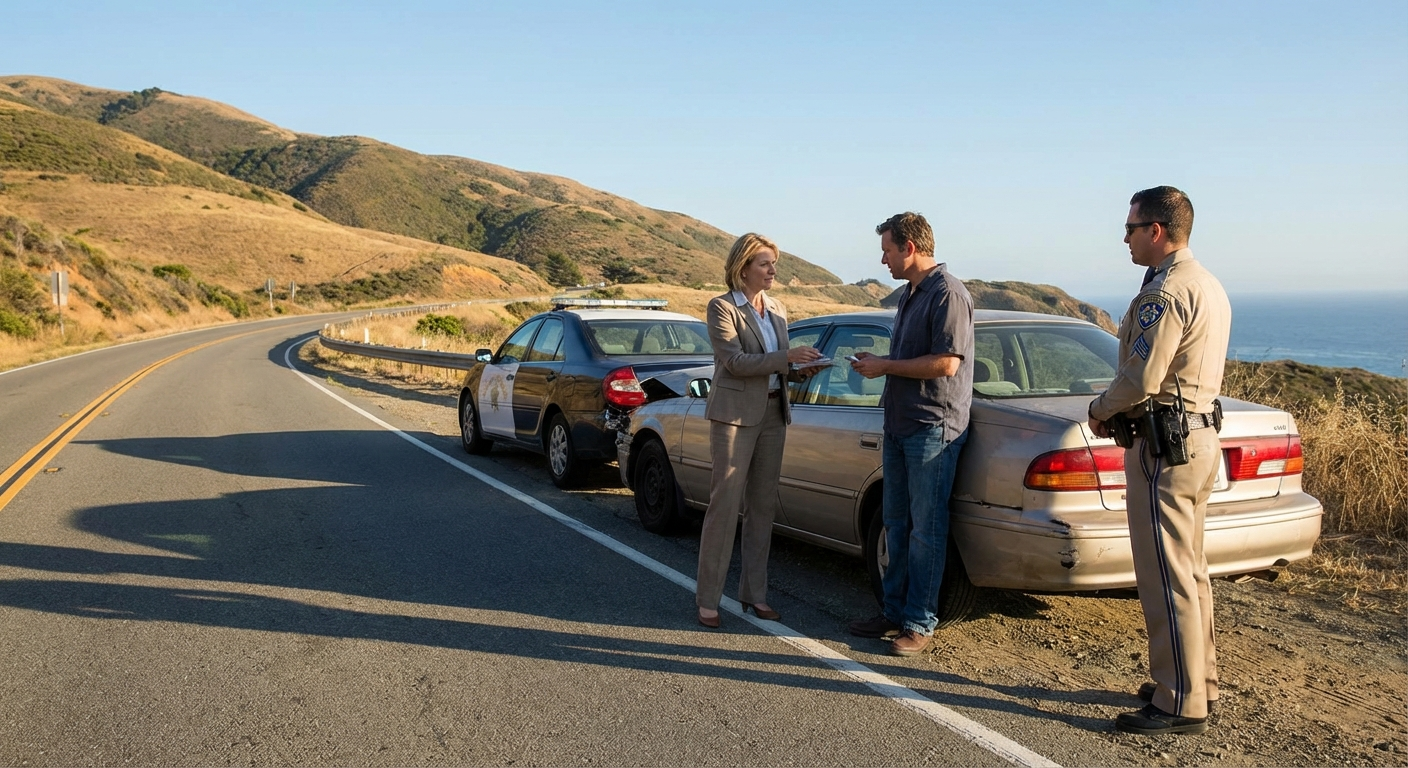
The other driver, a young guy, stumbled out looking dazed. He was apologetic, sure, but then came the kicker: “I don’t have insurance,” he mumbled. Maria’s heart sank. Her minivan was crunched, the kids were shaken, and her neck already felt stiff. Now what? This isn’t just a story; it’s a scenario that plays out thousands of times every year across California, from the busy streets of the Valley to the quiet back roads of Ventura County. And it’s exactly why we need to talk about uninsured motorist coverage.
Why We Even Have to Talk About This
Honestly, it seems backward, doesn’t it? You get hit, it’s not your fault, so the other person’s insurance should pay. That’s the dream. But here’s the thing: California has one of the highest rates of uninsured drivers in the country. Some estimates put it close to 15% or even higher. Think about that for a second. That’s one in every six or seven cars you see on the 101 or the 5. Those are cars whose drivers probably can’t afford to pay for the damage they cause, let alone your medical bills.
So, when Maria got hit, she wasn’t just dealing with a damaged car and a sore neck. She was staring down potentially huge medical costs, lost wages from missing work, and the expense of fixing or replacing her family’s primary vehicle. If she didn’t have uninsured motorist (UM) coverage, all those bills would have landed squarely on her family’s shoulders.
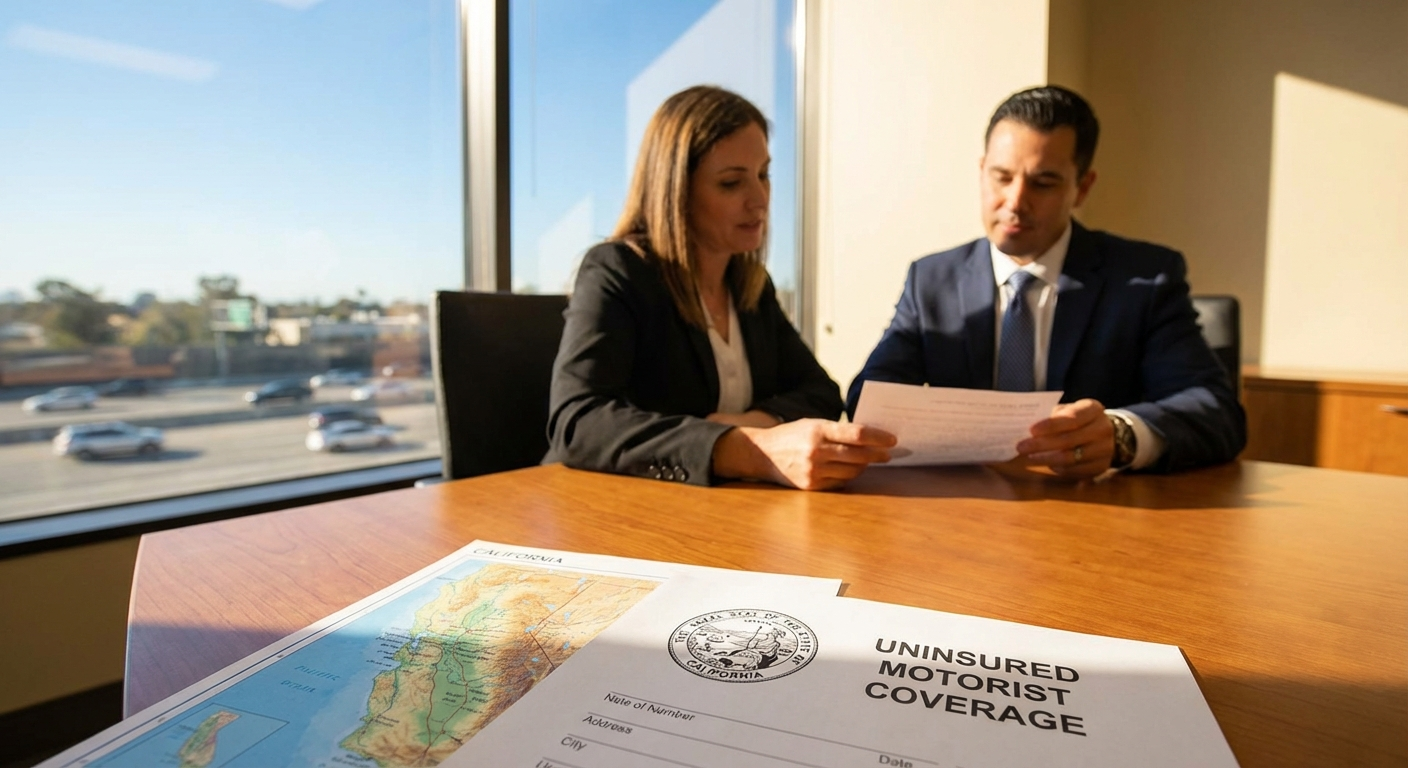
What Uninsured Motorist Coverage Actually Is (and Isn’t)
Simply put, uninsured motorist coverage is there to protect *you* and your passengers when an uninsured or hit-and-run driver causes an accident. It steps in to cover the costs that the at-fault driver *should* have paid if they had insurance.
There are usually two main parts to it:
Uninsured Motorist Bodily Injury (UMBI)
This is the big one. UMBI covers your medical expenses, lost wages if you can’t work, and even pain and suffering if you’re injured by an uninsured driver. It also covers your passengers. Imagine Maria’s neck injury. Without UMBI, every doctor’s visit, every physical therapy session, every prescription would have come out of her pocket. This coverage is designed to mirror the liability coverage you carry for *other* people. So, if you have 100/300 liability coverage (meaning $100,000 per person, $300,000 per accident for bodily injury), you can generally get UMBI for those same limits. And trust me, with healthcare costs jumping up 30-40% in just a few years, those limits matter more than ever.
Uninsured Motorist Property Damage (UMPD)
This part covers the damage to your car. If Maria had UMPD, it would have paid to fix or replace her minivan. Here’s where it gets interesting: in California, UMPD is optional, and it often comes with a deductible — usually around $250-$500. Some folks skip UMPD if they have collision coverage on their own policy, because collision would also pay for their car’s damage, regardless of who’s at fault. But wait — if you use your collision coverage, you’ll still pay your collision deductible, which can be $1,000 or more. UMPD often has a much lower deductible, saving you money out-of-pocket. It’s a small detail that makes a big difference.
Don’t Forget Underinsured Motorist (UIM)
Often, UMBI also includes Underinsured Motorist (UIM) coverage. This is for those situations where the at-fault driver *does* have insurance, but their policy limits aren’t high enough to cover all your damages. Say the driver who hit Maria only had the California minimum liability coverage – $15,000 for bodily injury per person. If Maria’s medical bills and lost wages totaled $50,000, that $15,000 wouldn’t even come close. UIM would then kick in to cover the difference, up to your UIM policy limits. It’s a lifesaver in a state where minimum coverage can feel woefully inadequate.
The Great Waiver: A Risk Most People Don’t Understand
In California, insurance companies *must* offer you uninsured motorist coverage. It’s not optional for them to offer it. But you, as the policyholder, can choose to waive it. And many people do. Why? Usually, it’s to save a few bucks on their premium. They see it as an extra cost, something they’ll probably never use.
But here’s the hard truth: opting out is a gamble. A big one. Saving maybe $10-$20 a month seems like a good deal until you’re like Maria, staring at a totaled car and a stack of medical bills with no one to pay them. The potential savings are tiny compared to the potential financial ruin. Karl Susman, from Los Angeles Auto Insurance Quotes, a veteran in the California insurance scene (CA License #OB75129), has seen it countless times. “People think ‘it won’t happen to me.’ But when it does, it’s too late. The cost of not having UM coverage far outweighs the premium you save.”
Why It’s Getting More Expensive (and Why You Still Need It)
If you’ve noticed your auto insurance premiums jumping, you’re not alone. Premiums across California have climbed, sometimes as much as 30-40% between 2022 and 2024. This isn’t just about the cost of cars going up; it’s also about the rising cost of medical care, legal fees, and the sheer number of accidents. When these costs go up, so does the potential payout for your UM coverage, which in turn influences the premium.
But that doesn’t mean you should ditch it. Quite the opposite. As costs rise, the protection UM coverage offers becomes even *more* valuable. A serious injury can rack up hundreds of thousands of dollars in bills. Do you really want to be on the hook for that because you wanted to save a few hundred dollars a year? Probably not.
Making a UM Claim: It’s Different
When you make a claim with your UM coverage, you’re essentially making a claim against *your own* insurance company, but they’re stepping into the shoes of the uninsured driver. It’s not always a cakewalk. Your insurer will investigate the accident, just as if they were the other party’s insurer. They’ll want to verify that the other driver truly was uninsured and at fault. Sometimes, this can involve arbitration if there’s a dispute over fault or the value of your claim.
That’s not the whole story. Having an agent like Karl Susman can make a huge difference here. They’re on *your* side, helping you understand the process and making sure your claim is handled fairly. You can reach out to Karl and his team at Los Angeles Auto Insurance Quotes at (877) 411-5200.
Choosing Your Limits: Not Just a Number
How much UM coverage should you have? Generally, experts advise matching your UMBI limits to your liability limits. If you carry $250,000/$500,000 in liability, you should aim for the same in UMBI. This ensures that if an uninsured driver hits you, you have the same level of protection you provide to others.
Think about Maria again. If her medical bills hit $100,000, and she only had $50,000 in UMBI, she’d still be out $50,000. It’s not just about what you can afford for the premium; it’s about what you can’t afford to lose if the worst happens.
Getting a personalized quote is the best way to see your options and costs. You can get started right now: Get a California auto insurance quote.
Protecting Your Future, Today
Uninsured motorist coverage isn’t just another line item on your policy. It’s a critical safety net in California’s unpredictable driving environment. It’s the difference between recovering from an accident relatively smoothly and facing financial devastation. From the crowded freeways of Los Angeles to the scenic routes up in Sonoma County, uninsured drivers are a constant risk. Don’t leave your financial future to chance.
It’s always a good idea to speak with an experienced insurance professional who understands the specific challenges and nuances of California auto insurance. Someone like Karl Susman, CA License #OB75129, has been helping Californians navigate these waters for years. They can help you tailor a policy that genuinely protects you.
If you’re wondering about your current coverage or want to explore your options, don’t wait until it’s too late. Visit losangelesautoinsurancequotes.com/quote/ to get a quote today.
Frequently Asked Questions About California Uninsured Motorist Coverage
Is Uninsured Motorist Coverage Required in California?
No, it’s not legally required. While insurance companies must offer it to you, you have the option to formally waive it in writing. Many experienced insurance professionals, however, strongly recommend against waiving it due to the high number of uninsured drivers on California roads.
Does Uninsured Motorist Coverage Cover Hit-and-Run Accidents?
Yes, absolutely. Both Uninsured Motorist Bodily Injury (UMBI) and Uninsured Motorist Property Damage (UMPD) typically apply if you are involved in a hit-and-run accident where the at-fault driver cannot be identified. You usually need to report the incident to the police within 24 hours for it to be covered.
What’s the Difference Between UMBI and UMPD?
UMBI (Uninsured Motorist Bodily Injury) covers medical expenses, lost wages, and pain and suffering for you and your passengers if an uninsured or hit-and-run driver injures you. UMPD (Uninsured Motorist Property Damage) covers damage to your vehicle from an uninsured or hit-and-run driver. UMPD usually has a lower deductible than standard collision coverage.
How Much Uninsured Motorist Coverage Should I Get?
Most insurance advisors suggest carrying UMBI limits that match your own bodily injury liability limits. For example, if you have $250,000/$500,000 in liability coverage for others, you’d aim for the same $250,000/$500,000 in UMBI to protect yourself. This ensures you have comparable protection if the at-fault driver is uninsured.
Will My Premiums Go Up If I Use My Uninsured Motorist Coverage?
Generally, if you are not at fault for an accident involving an uninsured motorist, making a UM claim on your policy should not increase your premiums. California law (Prop 103) prohibits insurers from raising your rates for not-at-fault accidents. However, factors like the frequency of claims or other changes to your driving record can still affect your overall rates.
This article is for informational purposes only and does not constitute financial advice.