What you’ll learn:
- Your immediate actions after a car accident in California.
- How to report a claim to your insurance company.
- What to expect when an adjuster investigates your claim.
- The ins and outs of dealing with another driver’s insurer.
- Common challenges specific to California car insurance claims.
- How to get your car repaired or handle a total loss.
- Why having an agent like Karl Susman makes a difference.
What Happens After a Crash? Your First Steps
Nobody wants to think about a car crash. But if you drive on California’s busy roads – from the freeways around Orange County to the winding paths of the Sierra Nevada – it’s a real possibility. Knowing what to do in those first moments can make a huge difference, not just for your safety, but for your insurance claim down the line.
Safety First: Protecting Yourself and Others
Your absolute first priority? Make sure everyone’s okay. Check yourself, your passengers, and anyone else involved. If someone’s hurt, even a little, call 911 immediately. Don’t wait. EMTs and police should be on their way.
Next, if it’s safe to do so, move your vehicle off to the side of the road. On a busy stretch of the 405 or I-5, staying in traffic is asking for another accident. If your car can’t move, turn on your hazard lights. Set up flares or reflective triangles if you have them. You want to make the scene as visible as possible, especially at night or in bad weather.
Gathering the Details: Information is Power
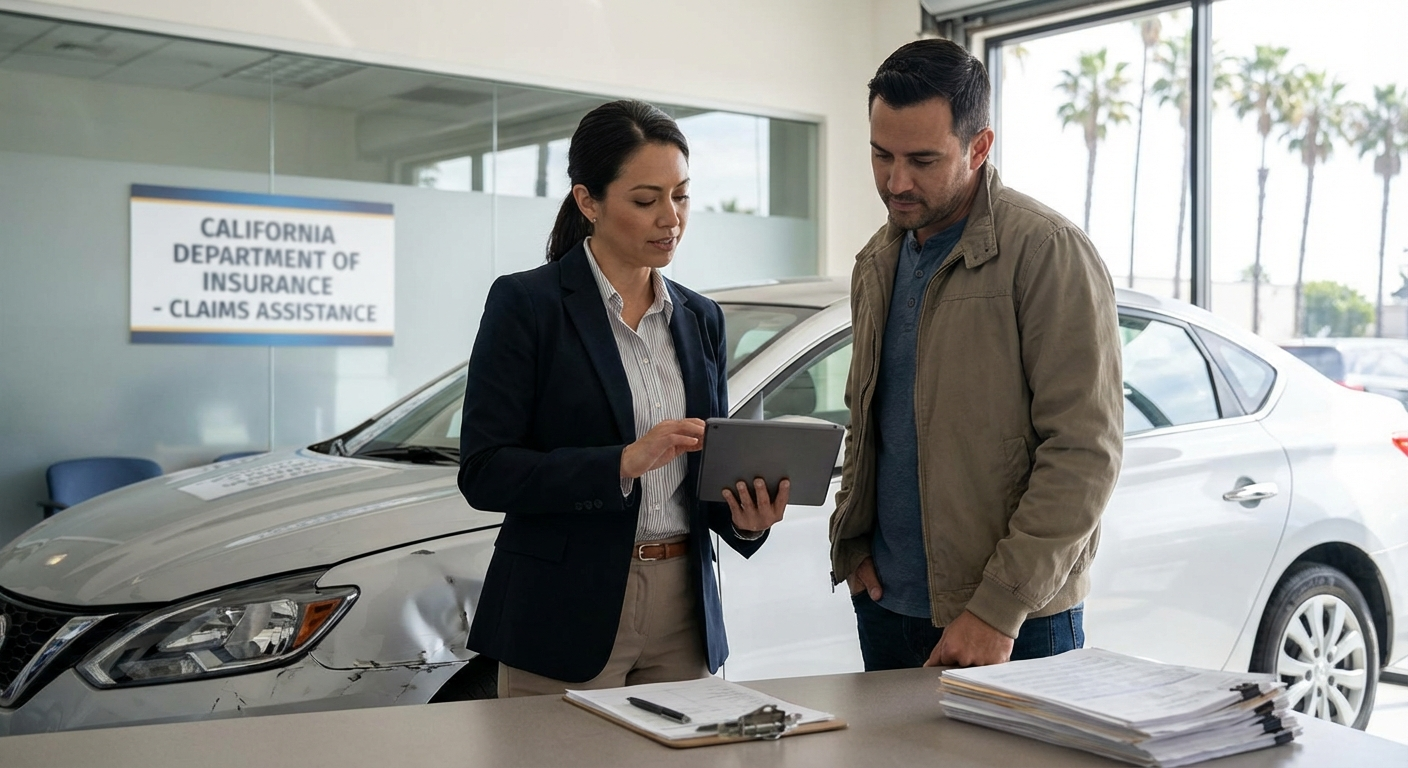
This part feels a bit like detective work, but it’s incredibly important for your claim. You’ll need specific information from everyone involved. Get the other driver’s name, phone number, and their insurance company and policy number. Write down their license plate number and, if you can, snap a photo of their driver’s license and insurance card with your phone. That’s a good habit to get into.
Don’t forget details about the car itself: make, model, and year. Also, get contact info for any witnesses. Sometimes, a neutral third party can provide clarity if there’s a disagreement about what happened. And take pictures – lots of them. Get shots of both vehicles from different angles, any damage, skid marks, road signs, and the overall scene. The more visual evidence, the better. Honestly, a picture of a bent fender tells a story an adjuster can’t ignore.
Did the police come? Get their report number and the name of the officer. This report is a key piece of evidence for your insurance company, especially when figuring out who’s at fault.
Reporting the Accident: When and How
You’ve gathered your info, you’re safe. Now what? Report the accident to your insurance company as soon as you reasonably can. Most insurers have a 24/7 claims line or an app. Don’t delay. Even if you think the damage is minor, or you’re not sure if you’ll file a claim, it’s smart to let them know. Your policy likely has a clause about timely reporting. Waiting too long can sometimes complicate things.
When you call, be ready to provide all those details you collected. Stick to the facts. Don’t admit fault, even if you think you might be partly to blame. Let the insurance companies sort that out. Just describe what happened clearly and concisely. You’ll get a claim number. Write it down. That’s your golden ticket for tracking everything.
Talking to Your Insurer: The Claims Process Begins
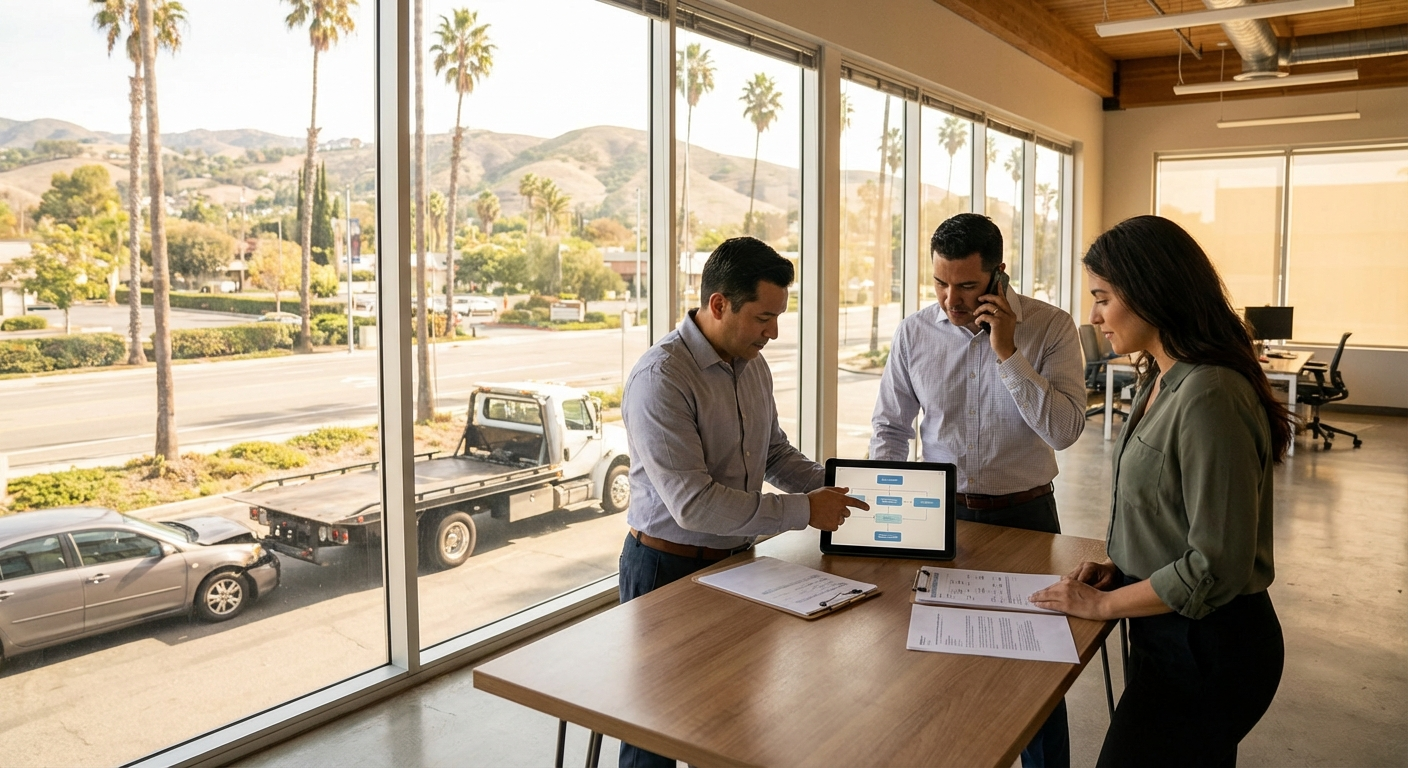
Once you’ve reported the accident, your insurance company takes over. They’ll assign an adjuster to your case. This person is your main point of contact and will guide you through the next steps.
Understanding Your Policy: What’s Covered?
Before you even talk to the adjuster, it helps to know what your policy covers. Do you have collision coverage? That pays for damage to your car regardless of who’s at fault. What about comprehensive? That’s for things like theft, vandalism, or a tree falling on your car – not accidents with other vehicles. If you only have liability, your insurer will only pay for damages you cause to others, not your own car.
Many Californians also carry uninsured motorist coverage. Here’s where it gets interesting: California has a lot of uninsured drivers. If you get hit by someone without insurance, this coverage can be a lifesaver for your medical bills and car repairs. It’s not mandatory, but it’s a smart addition, especially if you drive a lot in places like the Inland Empire or parts of the Valley.
The Adjuster’s Role: Investigation and Evaluation
Your adjuster’s job is to investigate the accident, determine fault, and figure out how much your insurer should pay. They’ll review your accident report, photos, police reports, and sometimes even interview witnesses. They might want to inspect your car in person to assess the damage. They might even ask you for a recorded statement. You don’t have to give one, but it can speed things up. If you’re unsure, ask your agent.
They’ll also look at your policy to make sure everything’s covered. This process can take a few days, or sometimes even weeks, depending on the complexity of the accident. Be patient, but also don’t be afraid to follow up if you haven’t heard anything in a while. A polite check-in is perfectly acceptable.
Getting Estimates: Repair or Total Loss?
Once the adjuster has a handle on the situation, they’ll tell you to get repair estimates. Your insurer might have a network of approved repair shops, or you might be able to choose your own. California law generally gives you the right to choose your repair shop. Get at least one, maybe two, estimates. Make sure they detail all the damage and the cost of parts and labor.
If the cost to repair your car is more than its actual cash value – or a high percentage of it, often 70-80% – your insurer will declare it a “total loss.” This means they’ll pay you the car’s fair market value right before the accident, minus your deductible. This can be a tough pill to swallow, especially if you loved that car. But wait — the adjuster should provide you with the basis for their valuation. You can research comparable sales in your area to see if their offer seems fair. Sometimes, they miss things.
Dealing with the Other Driver’s Insurance (If Applicable)
If the other driver was at fault, you have a couple of options. You can file a claim with your own insurance company (a “first-party claim”) and let them subrogate – meaning they’ll go after the other driver’s insurer to get their money back. Or, you can file a “third-party claim” directly with the at-fault driver’s insurance company.
Third-Party Claims: A Different Game
When you file a third-party claim, you’re dealing with an insurance company whose primary loyalty isn’t to you. Their adjuster will also investigate, but they’re looking out for their policyholder’s interests, which means they might try to minimize their payout. This isn’t always easy. They might argue about who was at fault, or they might offer a lower settlement for repairs or injuries than you think is fair.
It’s important to be firm but polite. Provide them with all your evidence. Don’t sign anything releasing them from liability until you’re sure all your damages – car repairs, medical bills, lost wages, pain and suffering – are accounted for. This is where having your own agent or even legal counsel can be really helpful. They can advise you on what a fair settlement looks like.
The Art of Negotiation: Don’t Settle Too Soon
If you’re dealing directly with the other driver’s insurer, expect some back and forth. They might make an initial offer that’s lower than what you need. That’s common. You don’t have to accept it. Present your evidence, explain why you believe your damages are higher, and be prepared to justify your position. This is especially true for injury claims, where the long-term costs aren’t always clear right away.
For instance, if you’re in a fender bender in Ventura County and start having back pain a week later, that’s part of your claim. But you need to document it with doctors’ visits. Don’t just guess. Get medical opinions. Sometimes, a little patience and good documentation can significantly improve your outcome.
When Things Get Tricky: Common Hurdles in CA Claims
California is a unique state, and its insurance landscape has its own quirks. Knowing some of these can help you avoid surprises.
Fault Determination: Who’s to Blame in California?
California operates under a “pure comparative negligence” rule. What does that mean? Even if you’re partly at fault for an accident, you can still recover damages from the other driver. However, your payout will be reduced by your percentage of fault. For example, if you’re deemed 20% at fault for an accident that caused $10,000 in damages, you can only recover $8,000 from the other driver’s insurer.
This is different from some other states, and it means fault determination can become a sticky point. Insurers will often try to assign some percentage of fault to everyone involved to reduce their payout. This is why good documentation and, again, an experienced agent, are so important. They understand how Prop 103 and other regulations influence these decisions.
Uninsured Motorists: A Common CA Problem
As mentioned, California has a high number of uninsured drivers. If you’re hit by one, and you don’t have uninsured motorist coverage, you might be on the hook for your own medical bills and car repairs. This is a big reason why many agents, including Karl Susman of Los Angeles Auto Insurance Quotes, CA License #OB75129, strongly recommend adding this coverage to your policy. It’s peace of mind on those crowded LA freeways.
Delays and Denials: What to Do Next
Sometimes, claims get delayed. Sometimes, they even get denied. Delays can happen for many reasons: complex investigations, disputes over fault, or just a busy claims department. If you’re facing delays, keep politely following up. Document every call, email, and conversation. Note who you spoke with and what they said.
If your claim is denied, ask for the reason in writing. You have the right to appeal the decision. Review your policy carefully to see if the denial holds up. If you still feel you’re being treated unfairly, you can contact the California Department of Insurance (CDI). They regulate insurance companies in the state and can help mediate disputes. Also, your agent can be a powerful advocate here. They know the system and can sometimes cut through red tape.
Getting Your Car Fixed (or Replaced)
The goal, of course, is to get back on the road. Whether your car is repaired or replaced, there are a few more steps.
Choosing a Repair Shop: Your Rights
In California, you generally have the right to choose any licensed repair shop for your vehicle. Your insurance company can’t force you to use a specific shop, though they might recommend some in their network. These network shops often have agreements with insurers regarding pricing and quality, which can sometimes speed up the repair process. But the choice is ultimately yours. Just make sure the shop you pick is reputable and offers a warranty on their work.
Once you’ve chosen a shop, the adjuster will work with them to approve the repairs. They’ll review the estimate and ensure it covers only damage from the accident. Sometimes, there’s a bit of negotiation between the shop and the insurer over specific repair methods or parts. That’s normal.
Total Loss Calculations: Fair Market Value
If your car is totaled, your insurer will offer you its actual cash value (ACV) right before the accident. This isn’t what you paid for it, or what it would cost to buy a brand new one. It’s what a similar car would have sold for on the open market. They’ll use various valuation tools and look at factors like mileage, condition, and options.
You can challenge their valuation if you think it’s too low. Gather evidence of comparable sales in your area – look at online listings, dealership prices, or even Kelley Blue Book. Present this information to your adjuster. Sometimes, they’ll adjust their offer. Remember, your deductible will be subtracted from this payout, unless the other driver was 100% at fault and their insurer is paying directly.
The Role of Your Agent: A Helping Hand
This whole process can feel overwhelming, especially after the stress of an accident. That’s where an experienced insurance agent becomes invaluable. Someone like Karl Susman at Los Angeles Auto Insurance Quotes, CA License #OB75129, isn’t just there to sell you a policy. When an accident happens, they become your advocate.
Your agent can help you understand your policy’s coverage, explain the claims process, and even communicate with the adjuster on your behalf. They can advise you on what information to provide, what questions to ask, and how to respond to offers. They know the California insurance rules inside and out, from Prop 103 to common issues with uninsured motorists. Having someone in your corner who understands the system can alleviate a lot of stress and potentially lead to a better outcome for your claim.
Need help understanding your current policy or want to make sure you’re properly covered for California’s roads? Don’t hesitate to reach out to Karl Susman and his team. You can call them at (877) 411-5200. Or, if you’re just starting to look, you can get a quick quote right here.
Frequently Asked Questions About CA Car Insurance Claims
How long does an insurance claim take in California?
Honestly, it varies a lot. A simple fender bender with clear fault might be resolved in a few weeks. A more complex accident involving injuries, multiple vehicles, or disputes over fault could drag on for months, sometimes even longer. The law generally requires insurers to acknowledge a claim within 15 days and accept or deny it within 40 days, but investigations can extend these timelines.
Do I have to get a police report for a minor accident?
You don’t always *have* to, especially if there are no injuries and minimal property damage. But it’s almost always a good idea. A police report provides an official, unbiased account of the accident, which can be very helpful for your insurance claim, especially if there’s any dispute about what happened later. Many insurers prefer to have one.
Will my rates go up after an accident?
The short answer is yes. The real answer is more complicated. If you’re found at fault for an accident, your premiums will likely increase at renewal time. How much depends on your insurer, your driving record, and the severity of the accident. If you’re not at fault, your rates might not go up, though some insurers have “accident forgiveness” programs that can help even if you are partially to blame. It’s not a guarantee, but it’s a common concern for drivers.
What if the other driver doesn’t have insurance?
This is a big one in California. If the at-fault driver is uninsured, and you have Uninsured Motorist (UM) coverage on your policy, your own insurance will step in to cover your medical expenses and property damage, up to your policy limits. If you don’t have UM coverage, you might have to pay for your damages out of pocket or sue the uninsured driver directly, which can be a difficult and lengthy process.
Looking for a fresh look at your auto insurance options? Get a personalized quote today and see what’s available for your California driving needs. Just follow this link: Get Your Auto Insurance Quote.
This article is for informational purposes only and does not constitute financial advice.