The Weekend Drive and a Question Mark
Imagine the Millers, down in Orange County, finally rolling their beautifully restored 1967 Mustang convertible out of the garage. The California sun glints off the fresh paint. That unmistakable rumble of the V8 turns heads as they cruise down Pacific Coast Highway. It’s a dream come true, years of careful work and a fair bit of cash poured into bringing this American icon back to life.
But here’s the thing. As Mrs. Miller reaches over to turn up the Beach Boys on the classic radio, a thought nags at them. They’d slapped a basic auto policy on it when they first bought it — just enough to get it home. Now, with the car pristine, worth every penny of its $80,000 restoration, they know that old policy just won’t do. What if something happened? What if a distracted driver in Newport Beach dinged that perfect fender? Or worse, a fire — we’ve seen how quickly those can spread, especially in the canyons near Malibu or through the Inland Empire. Their everyday policy, the one for their minivan, wouldn’t even come close to covering the true value of their classic.
They needed something different. Something that understood their Mustang wasn’t just a car; it was an investment, a passion, a piece of history.
Why Your Everyday Policy Won’t Cut It for a Classic
Most drivers have standard auto insurance. It’s designed for your daily commuter, your SUV, your family sedan. Those policies usually work on a principle called “Actual Cash Value” or ACV. Think about it: your 2018 Toyota Camry loses value every single year. A standard policy would pay out its depreciated value if it were totaled. That’s how insurance companies keep premiums reasonable for millions of drivers.
But here’s where it gets interesting. Classic cars defy that logic. They don’t depreciate. They appreciate. Or, at the very least, they hold their value, sometimes soaring well beyond their original sticker price. A 1967 Mustang, especially a well-restored one, is worth a lot more today than it was in ’67. And it’s probably worth a good deal more than what a computer model would say a 50-plus-year-old car should be worth.
So, if the Millers’ Mustang, valued at $80,000, was totaled under a standard policy, a major insurer like Farmers or AAA might look at it and say, “Well, it’s an old car. We’ll give you a few thousand bucks.” That would be a gut punch, wouldn’t it? That’s why you can’t just slap a regular policy on a classic. You need something specialized.
Agreed Value: The Golden Ticket
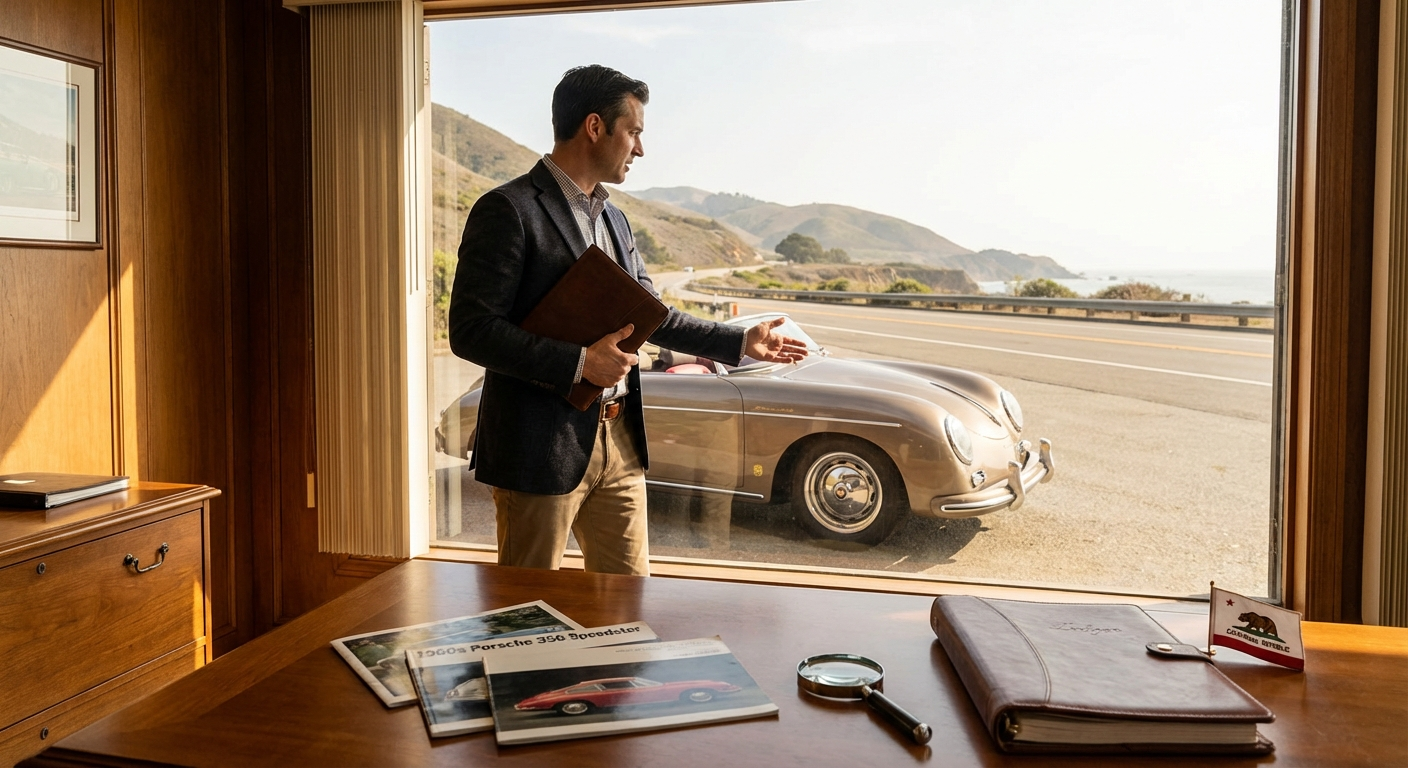
The cornerstone of proper classic car coverage is something called “agreed value.” This is the real answer to the Millers’ problem. With an agreed value policy, you and the insurance company decide on the exact value of your classic *before* anything happens. That figure — let’s say $80,000 for the Millers’ Mustang — is what you’ll get paid if the car is a total loss, minus your deductible, of course. No arguments, no haggling over depreciation. It’s agreed upon.
How do you get to that number? Often, it starts with an appraisal from a qualified professional. You’ll also need good photos, receipts for restoration work, and a clear understanding of the car’s condition and history. The Millers had meticulously documented every nut and bolt of their Mustang’s rebirth, which made this part much simpler. They showed off their binders of receipts and their “before and after” photos. This isn’t just paperwork; it’s proof of the car’s real worth.
What Makes a Car “Classic” in an Insurer’s Eyes?
It’s not just about age. While most insurers typically consider cars 20-25 years or older as “classic” or “antique,” there’s more to it than just the calendar.
Think about the Millers’ Mustang. It’s in incredible condition, stored safely in a locked garage, and only driven on weekends or for special events. This limited use is key. Insurers aren’t looking to cover your daily commute through the clogged freeways of the Valley or down the 405. They’re looking for cars that are cherished, well-maintained, and driven sparingly.
Other factors play a role, too. Originality can be important, but so can high-quality custom work. A perfectly restored, numbers-matching muscle car will qualify. But so might a custom hot rod with a unique build, as long as it’s built to a high standard and isn’t your everyday driver. The bottom line: it needs to be special. It’s not just transportation; it’s a collector’s item.
Beyond the Basics: Special Coverage You’ll Want
Once you’ve got agreed value squared away, you’ll want to think about other specific protections for your classic. These aren’t standard on regular policies.
* **Parts & Labor Coverage:** What if that rare carburetor for the Mustang gets damaged? Finding a replacement isn’t like popping into AutoZone for a new spark plug. You might need to ship it from across the country or have it custom-fabricated. This coverage helps pay for those specialized, often expensive, parts and the skilled labor to install them.
* **Roadside Assistance:** Not all tow trucks are created equal. You don’t want your pristine classic being dragged onto a flatbed with chains. Specialty roadside assistance ensures a flatbed tow, often with soft straps, to prevent further damage. Imagine the Millers breaking down on a scenic drive through Malibu Canyon; you’d want the right kind of help.
* **Show & Tour Coverage:** Do you take your classic to car shows in Palm Springs? Or maybe participate in a rally through the rolling hills of Napa Valley? This coverage protects your car while it’s at an event, being loaded or unloaded, or even just parked at a hotel during a tour.
* **Inflation Guard:** The market for classic cars can be dynamic. The value of the Millers’ Mustang might actually go up a bit year over year. Some policies offer an “inflation guard” feature, which automatically increases the agreed value by a small percentage each year, keeping pace with market trends without needing a fresh appraisal every 12 months.
California’s Unique Roads and Risks for Classics
Living in California, we know our state has its own set of challenges, even for classic car owners. The sheer volume of traffic, especially around cities like Los Angeles and San Francisco, increases the risk of fender benders. Then there are the environmental factors. While classic cars are typically garaged, the threat of wildfires is ever-present. Consider the 2025 LA fires — a hypothetical but all too real threat that could devastate collections in a flash.
What’s more, California’s insurance market is unique because of regulations like Prop 103. This proposition gives the Department of Insurance a lot of say in how rates are set, and it affects all types of insurance, including classic car policies. Finding an insurer willing to write certain types of policies, or even any new policies at all, can be tricky. This isn’t just about regular cars; it impacts specialty lines, too.
Storage and Usage: The Rules of the Road
Most classic car policies come with a few common-sense rules, and they’re usually pretty easy for true enthusiasts to follow. For instance, your classic generally needs to be stored in a secure, enclosed garage — not just parked on the street. The Millers’ Mustang always goes back into their well-kept garage.
There are also typically mileage limits. You won’t be using your classic for a daily 50-mile commute. Many policies cap annual mileage at around 2,500 to 5,000 miles. This reinforces the idea that it’s a collector’s item, not a primary vehicle. For the Millers, who only take their Mustang out on sunny weekends for short drives, those limits aren’t a problem at all.
Finding the Right Partner for Your Prized Possession
So, how do you find this specialized coverage? You could call up a big-name insurer like State Farm or GEICO, but often they don’t have the deep expertise or the specific products for true classics. Their agents are usually focused on standard auto policies.
This is where an independent insurance agent becomes invaluable. Someone like Karl Susman, with Los Angeles Auto Insurance Quotes, CA License #OB75129, understands the nuances of classic car insurance. He doesn’t just work for one company; he works with many different specialty carriers that focus solely on collector vehicles. He knows the market, understands the unique risks, and can match you with the right policy and the right insurer for your specific classic.
Think of it this way: you wouldn’t take your vintage Mustang to a quick-lube shop for a full restoration, would you? You’d go to a specialist. The same goes for insurance. Karl can find you the agreed value coverage, the parts and labor protection, and the roadside assistance that truly protects your investment.
Getting a Quote: What You’ll Need
When you’re ready to get a quote for your classic, be prepared to share some details. You’ll definitely need:
* The make, model, and year of your vehicle.
* The Vehicle Identification Number (VIN).
* High-quality photos of the car, inside and out.
* Any recent appraisal documents.
* Details about where and how the car is stored (e.g., locked garage, climate-controlled facility).
* Your estimated annual mileage.
* Information about any modifications or restoration work.
The Millers had all this ready to go. They’d done their homework on the car, so doing their homework for the insurance felt like a natural next step.
Don’t Just Set It and Forget It
Classic car values aren’t static. The market can shift, and your specific car’s value might change if you do more restoration work or add significant upgrades. Maybe the Millers decide next year to install an entirely new, period-correct interior, or a super-rare performance upgrade. These changes increase the car’s value, and your insurance policy needs to reflect that.
It’s a good practice to periodically review your policy and, if necessary, get a new appraisal. Talk to your agent, explain any changes, and make sure your agreed value is still accurate. It ensures that if the unthinkable happens, you’re fully protected for its current worth.
Ready to protect your own piece of automotive history? Don’t leave your classic vulnerable. Get a quote today and discover the right coverage for your treasured vehicle. Visit https://losangelesautoinsurancequotes.com/quote/ to start the process.
Common Questions About Classic Car Insurance in California
Does my classic car need a special policy in California?
Yes, absolutely. A standard auto policy won’t recognize the appreciating value of your classic. You’ll want an agreed value policy from a specialty insurer to ensure you’re paid the true worth of your vehicle if it’s totaled.
What are the typical mileage restrictions for classic car insurance?
Most classic car policies in California come with mileage limits, usually between 2,500 and 5,000 miles per year. This is because these policies are designed for collector vehicles, not daily drivers.
Do I need an appraisal for classic car insurance?
Often, yes. An appraisal helps establish the “agreed value” for your policy. You’ll also typically need detailed photos and documentation of any restoration work or unique features that contribute to the car’s value.
Can I get classic car insurance for a custom or modified vehicle?
Yes, many specialty insurers offer coverage for custom builds, hot rods, and modified classics, as long as they meet certain criteria for condition, storage, and limited use. It’s best to discuss the specifics of your vehicle with an experienced agent like Karl Susman.
Protecting your classic car in California doesn’t have to be complicated. With the right advice and the right policy, you can enjoy those weekend drives with total peace of mind. Get started on finding the perfect coverage for your cherished vehicle. Visit https://losangelesautoinsurancequotes.com/quote/ for a quote tailored to your classic.
This article is for informational purposes only and does not constitute financial advice.