What Happens to Your Car’s Value After an Accident?
You’ve just been in a fender bender somewhere like the 405 or perhaps a quiet street in Ventura County. You’re shaken, sure, but relieved everyone’s okay. Soon, the repairs begin. Your car looks just like it did before, shiny and new again. You think, “Great, problem solved.”
But here’s where it gets interesting. Even if your car is fixed perfectly, even if it drives exactly the same, it now carries a secret: a history of being in an accident. That little detail can hit your wallet harder than you might expect when it’s time to sell.
A Quick Look at Diminished Value
Think about it this way: would you pay the same price for a used car that’s been in a major accident, even if it’s been expertly repaired, as you would for an identical car that’s never been damaged? Probably not. Most people wouldn’t. That difference in what someone is willing to pay? That’s what we call “diminished value.”
It’s not just about the cost of the repairs. It’s about the drop in market value because your car now has an accident on its record. A CARFAX report will show it. An AutoCheck report will show it. Buyers see that “accident reported” note and immediately – and usually fairly – offer less. It’s a real financial loss, a kind of invisible damage that no body shop can fix.
Types of Diminished Value Claims in California
In California, diminished value generally falls into a few categories. Most of the time, when people talk about it, they’re referring to “inherent diminished value.”
Inherent diminished value is the big one. This is the loss in market value simply because the car was damaged and repaired. It’s the stigma, the scarlet letter on its record, even if the repairs were top-notch. Imagine you had a pristine Tesla Model 3 in Orange County. A minor accident, perfect repair. Still, when you go to sell it, a buyer armed with a vehicle history report will likely use that accident as a bargaining chip.
Then there’s “repair-related diminished value.” This happens when the repairs weren’t done correctly. Maybe the paint doesn’t quite match, or there’s a lingering mechanical issue. This is less common, thankfully, as most reputable California body shops do excellent work. But if it happens, your car’s value drops because it’s not truly restored to its pre-accident condition.
Finally, there’s “stigma diminished value,” which is pretty rare. This might apply to a very unique or high-end vehicle involved in a truly catastrophic event, where the public perception of the car is permanently scarred beyond just the repair history. For most of us driving around the Inland Empire or the Valley, inherent diminished value is the main concern.
Who Pays for Diminished Value in California?
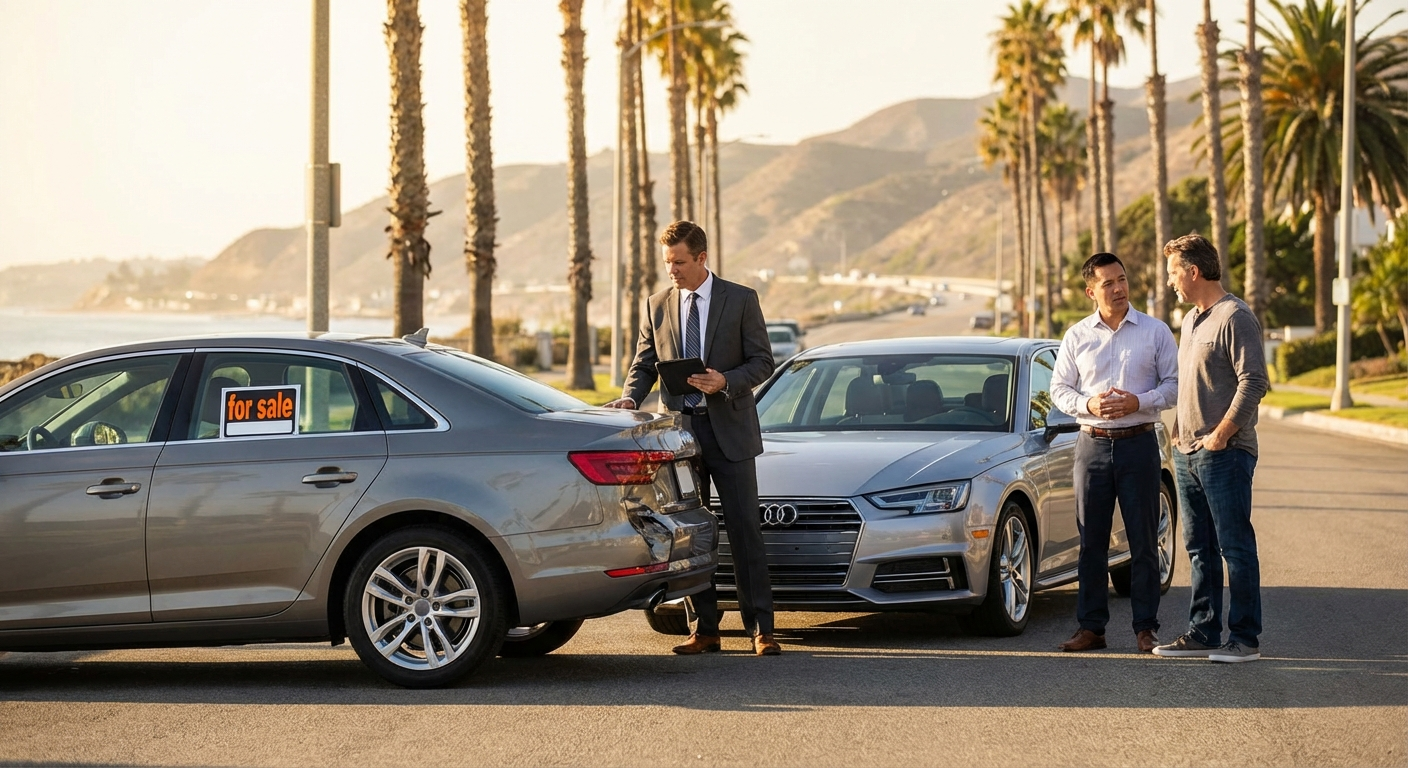
Here’s a key point, and it’s where things get a little tricky for many folks. In California, if someone else causes an accident and damages your car, their insurance company is generally responsible for paying for your diminished value. This is called a “third-party claim.” Their policy covers the damage *they* caused, and that includes the depreciation in your car’s market value due to the accident history.
But wait — what if *you* were at fault, or the accident was a hit-and-run? Can you claim diminished value from your *own* insurance company? The short answer is usually no. Most standard California auto insurance policies, like those from State Farm, AAA, or Farmers, are designed to cover the cost of repairs or the actual cash value of your car if it’s totaled. They don’t typically pay for the *loss of market value* that happens after those repairs are complete. It’s a common misconception, and it can be a tough pill to swallow.
Why Your Own Policy Might Not Help
Think of your collision coverage as a promise to fix your car or replace it. It’s not a promise to ensure your car retains its exact pre-accident market desirability. Your policy is a contract for physical damage. The diminished value is an economic loss, a consequence of market perception, which is usually outside the scope of your own policy’s coverage for physical damage. It’s an important distinction, and one many drivers don’t realize until it’s too late.
How Do You Even Prove Diminished Value? It’s Not Always Easy.
Proving diminished value isn’t like sending a repair bill. There’s no fixed price tag for it. It’s subjective, and insurance companies often try to minimize it. You’ll need solid evidence to back up your claim.
Imagine selling your perfectly repaired 2022 Honda Civic in the Valley. You know it’s worth, say, $25,000. But because of that accident history, potential buyers only offer $22,000. That $3,000 difference is your diminished value. But how do you convince the at-fault driver’s insurance company that $3,000 is the right number?
Getting an Appraisal: Your Best Shot
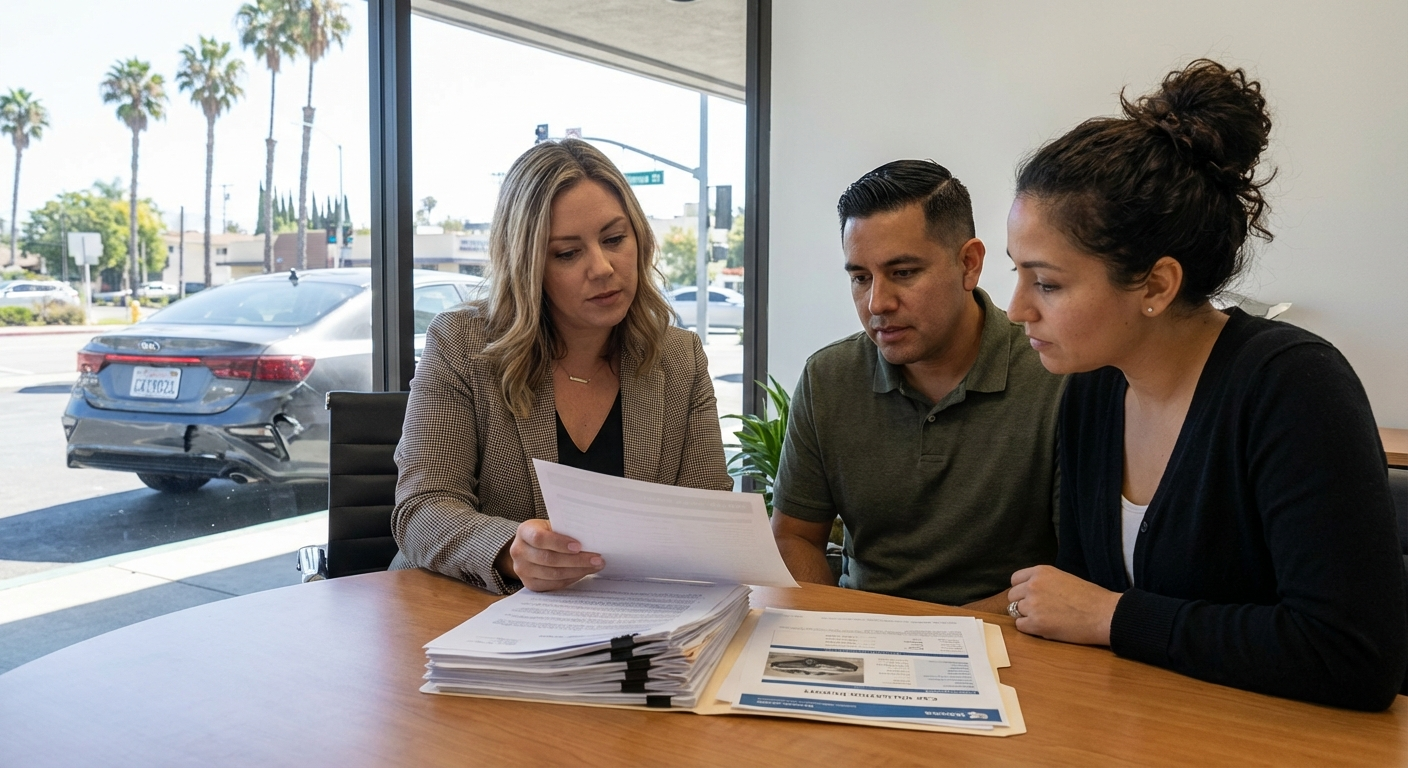
Your strongest weapon in a diminished value claim is an independent appraisal. This isn’t just someone guessing. A professional diminished value appraiser will do a deep dive. They’ll look at your car’s pre-accident value, its mileage, its condition, the severity of the damage, the quality of the repairs, and current market trends for similar vehicles in your area of California.
They’ll compare your car to identical ones that haven’t been in accidents, and they’ll compare it to others that *have* been repaired. This comparison helps establish the real difference in market value. Yes, there’s a cost for this appraisal, usually a few hundred dollars. But for a newer, higher-value car, that investment can pay off significantly. It provides an objective, expert opinion that’s hard for an insurance company to dismiss outright.
Steps to Filing a Diminished Value Claim in California
So, you think you have a case for diminished value. What next?
1. **Get Your Car Repaired Thoroughly:** This seems obvious, but it’s crucial. Make sure the repairs are completed by a reputable shop and to the highest standard. You can’t claim diminished value for poor repairs if the repairs haven’t even happened or were shoddy.
2. **Gather Documentation:** Collect everything related to the accident: the police report, photos of the damage (before and after), all repair invoices, and any pre-accident maintenance records that show your car was well-cared for.
3. **Get an Independent Appraisal:** As we discussed, this is your key piece of evidence. Find a qualified diminished value appraiser in California. They’ll give you a detailed report on the estimated loss of value.
4. **Send a Demand Letter:** Once you have the appraisal, write a formal demand letter to the at-fault driver’s insurance company. Clearly state your claim, attach all your documentation (especially the appraisal), and demand a specific amount for diminished value. Be polite but firm.
5. **Be Prepared to Negotiate:** The insurance company will likely counter with a lower offer, or even deny the claim initially. This is where your persistence and solid evidence come into play. Don’t be afraid to push back, citing your appraisal.
6. **Consider Small Claims Court:** If negotiations stall and the amount is within California’s small claims court limits (currently $12,500 for individuals), you might consider taking the insurer to court. This can sometimes motivate them to settle.
What Insurers Look For (and How They Push Back)
Insurance companies aren’t in the business of just handing out money. They’re going to scrutinize your diminished value claim. They’ll likely argue that your car was expertly repaired and therefore shouldn’t have lost much value. They might point to minor pre-existing dents or scratches to suggest the car wasn’t perfect to begin with. They’ll probably offer a low settlement, hoping you’ll take it and move on.
They might even say that unless you’re actively trying to sell the car right now, you haven’t truly “lost” anything. That’s a common tactic. But the law in California generally recognizes the right to recover diminished value regardless of whether you’ve sold the car yet. It’s about the inherent loss in marketability from the moment the accident occurs. This is where having your ducks in a row with a strong appraisal really helps.
When is it Worth Pursuing a Diminished Value Claim?
Honestly, pursuing a diminished value claim takes time and effort. It’s not always worth it for every car or every accident.
Generally, you’ll see the biggest impact on:
* **Newer Vehicles:** A 2-year-old car with low mileage will suffer a much greater percentage loss in value than a 10-year-old car with 150,000 miles.
* **High-Value Cars:** A BMW 7 Series in Beverly Hills or a luxury SUV in La Jolla will have a larger dollar amount of diminished value than, say, an older Toyota Corolla. The percentage might be similar, but the actual cash loss is much higher.
* **Significant Damage:** While even minor accidents can cause some diminished value, a major collision that requires extensive bodywork or frame repair will have a more pronounced effect on future resale value.
If you’re driving an older car, especially one that wasn’t worth much to begin with, the cost of an appraisal and the time spent fighting for a few hundred dollars might not be worth your energy. But for a relatively new car, especially one worth $20,000 or more, it’s definitely something you should explore.
A Trusted Advisor Can Make a Difference
Navigating the world of diminished value claims can feel like walking through a maze blindfolded. This is where a knowledgeable insurance professional becomes incredibly helpful. They understand the ins and outs of California insurance law and how these claims work – or don’t work – with different policies.
Someone like Karl Susman at Los Angeles Auto Insurance Quotes (CA License #OB75129) has years of experience helping Californians understand their coverage and what they’re entitled to. They can’t file the diminished value claim for you directly against the at-fault party’s insurer, but they can explain your policy’s limitations, guide you on what to expect, and generally be a trusted resource during a stressful time.
Want to make sure you’re covered as best as possible for whatever the California roads throw at you? Get a personalized quote today and talk to a real human about your options.
Get Your California Auto Insurance Quote Now!
Protecting Your Investment Before an Accident Happens
The best defense, as they say, is a good offense. While you can’t prevent diminished value entirely if someone hits your car, you can be proactive about your overall financial protection. Understanding your own auto insurance policy *before* an accident happens is huge. Don’t wait until you’re in the thick of a claim to figure out what your coverage actually entails.
For example, while not directly related to diminished value, if you have a new car, you might consider GAP insurance. It helps cover the difference between what your car is worth (its actual cash value) and what you still owe on your loan if it’s totaled. It’s another layer of protection for your investment.
Ultimately, being an informed consumer means asking the right questions and making sure your policy aligns with your needs. Don’t just settle for the cheapest option without understanding what you’re getting – or what you’re missing.
Ready to review your coverage and ensure you’re truly protected on California’s roads? It only takes a few minutes to find out what options are available for you.
Click Here to Compare California Auto Insurance Rates!
FAQ
Does my own California car insurance cover diminished value?
Generally, no. Most standard California auto insurance policies, including collision and comprehensive coverage, are designed to cover the cost of repairs or the actual cash value if your car is totaled. They don’t typically compensate you for the loss of market value (diminished value) your car suffers just from having an accident on its history, even after perfect repairs.
How long do I have to file a diminished value claim in California?
In California, the statute of limitations for property damage claims (which includes diminished value) is typically two years from the date of the accident. However, it’s always best to start the process as soon as possible after your vehicle has been fully repaired.
What if the other driver’s insurance company denies my claim?
If the at-fault driver’s insurance company denies your diminished value claim, don’t give up immediately. Review their reasons for denial. You might need to provide more evidence, such as an updated appraisal or additional market data. If negotiations fail, and the amount is within the limits, you can consider filing a case in California’s small claims court. Sometimes, sending a demand letter from an attorney can also move things forward.
Is diminished value taxable?
Generally, no. Diminished value is considered a reimbursement for a loss, not income. Therefore, it’s usually not subject to income tax. However, it’s always a good idea to consult with a tax professional for advice specific to your situation.
This article is for informational purposes only and does not constitute financial advice.