
What You’ll Learn:
- Why your car’s odometer reading could save you serious money on California auto insurance.
- How insurance companies actually track your mileage.
- Who qualifies for these valuable low mileage discounts.
- Practical steps to apply for and keep your discount.
- The unique California factors that make these savings even more important.
The Golden State’s Secret to Lower Auto Insurance Premiums
Living in California often means paying a premium for, well, almost everything. Car insurance is no exception. Between the endless traffic jams in places like the 405 or the 101, the sheer number of drivers, and the rising costs of repairs after an accident, premiums here can feel like a punch to the gut. Many drivers just accept it as a cost of doing business in paradise. But what if there was a simple, often overlooked way to cut those costs significantly?
There is. It’s called a low mileage discount. And for many Californians, it’s not just a small perk; it’s a genuine opportunity to keep more money in your pocket. Especially in a state where every dollar counts, finding smart ways to save on essentials like auto insurance is just plain good sense.
Step 1: Why Your Mileage Matters to Insurers
Think about it logically. The less time your car spends on the road, the less exposure it has to potential accidents, theft, or other incidents. Fewer miles driven means fewer opportunities for things to go wrong. Insurers see this as reduced risk. And reduced risk almost always translates into lower premiums for you.
It’s a straightforward equation. Someone commuting 20 miles each way through dense Ventura County traffic five days a week faces a much higher chance of a fender bender than someone who works from home and only drives their car to the grocery store once a week. Insurers aren’t guessing about this; they’ve got mountains of data proving it. This isn’t just a California thing, but with our high population density and often congested highways, the risk factor for frequent drivers can be particularly steep.
Step 2: How Insurers Keep Tabs on Your Driving Habits
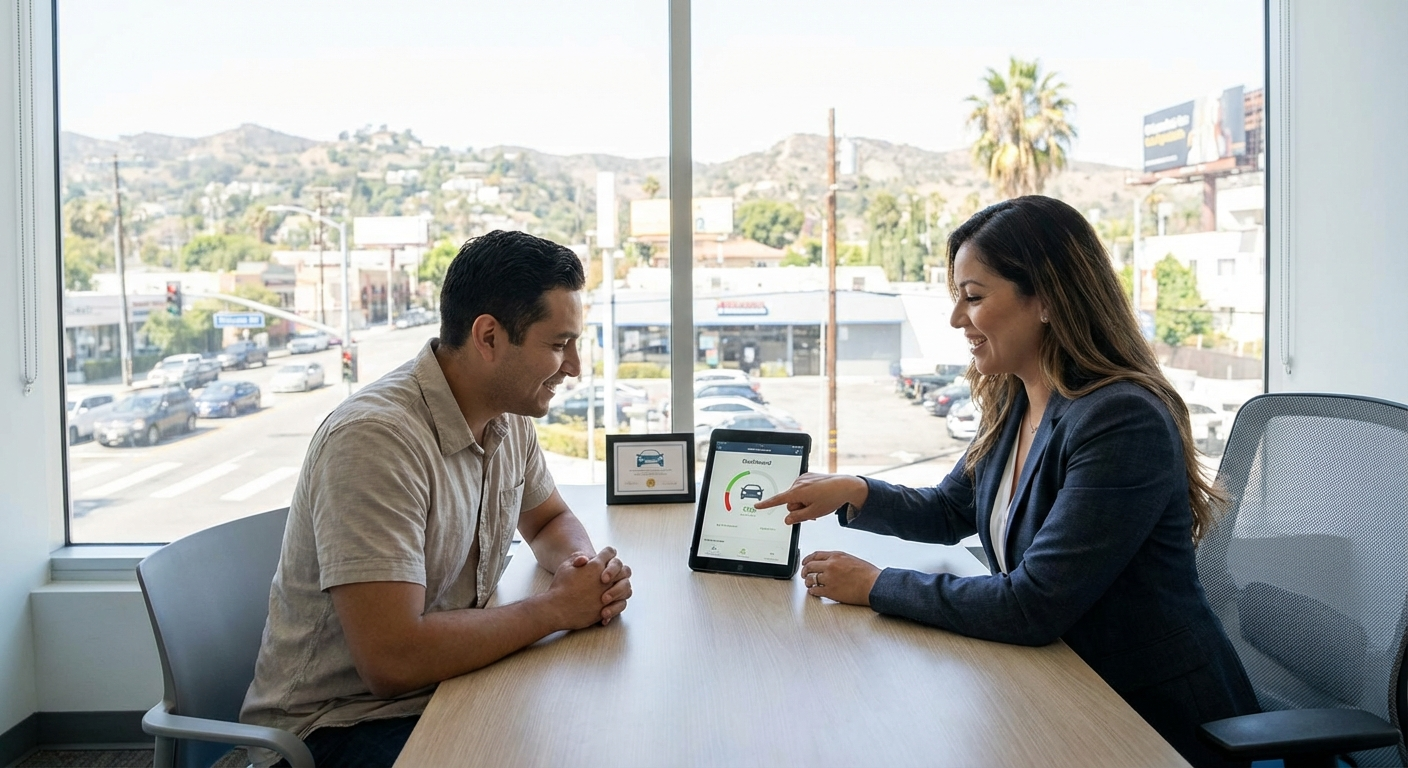
So, if mileage is such a big deal, how do insurance companies actually know how much you’re driving? They don’t just take your word for it, do they? Not always. The short answer is yes. The real answer is more complicated.
Historically, it was all about the odometer. When you first got a policy, you’d provide an odometer reading. Then, at renewal time, you’d give another. The difference told the story. Many companies still do this, relying on an honor system backed by the occasional request for a photo of your dashboard or a visit to a mechanic for verification. It’s pretty simple, really.
But here’s where it gets interesting. Technology has changed the game. Many insurers now offer what’s called “usage-based insurance” (UBI) or “telematics” programs. This usually involves a small device you plug into your car’s OBD-II port — typically under the dash. Or, sometimes, it’s an app on your smartphone that tracks your driving. These devices don’t just count miles; some monitor speed, braking habits, even the time of day you drive. They’re designed to give a much clearer picture of your actual driving behavior. Companies like State Farm with their “Drive Safe & Save” or AAA’s “AAA SmartDriver” programs are good examples of this in action. Farmers Insurance also has similar programs.
Some folks worry about privacy with these devices. Honestly, that’s a fair concern. But for many, the potential savings outweigh those worries. It’s a personal choice, of course. But if you’re truly a low-mileage driver with good habits, these programs can unlock discounts you might not get otherwise.
Step 3: Do You Qualify? Defining “Low Mileage” in California
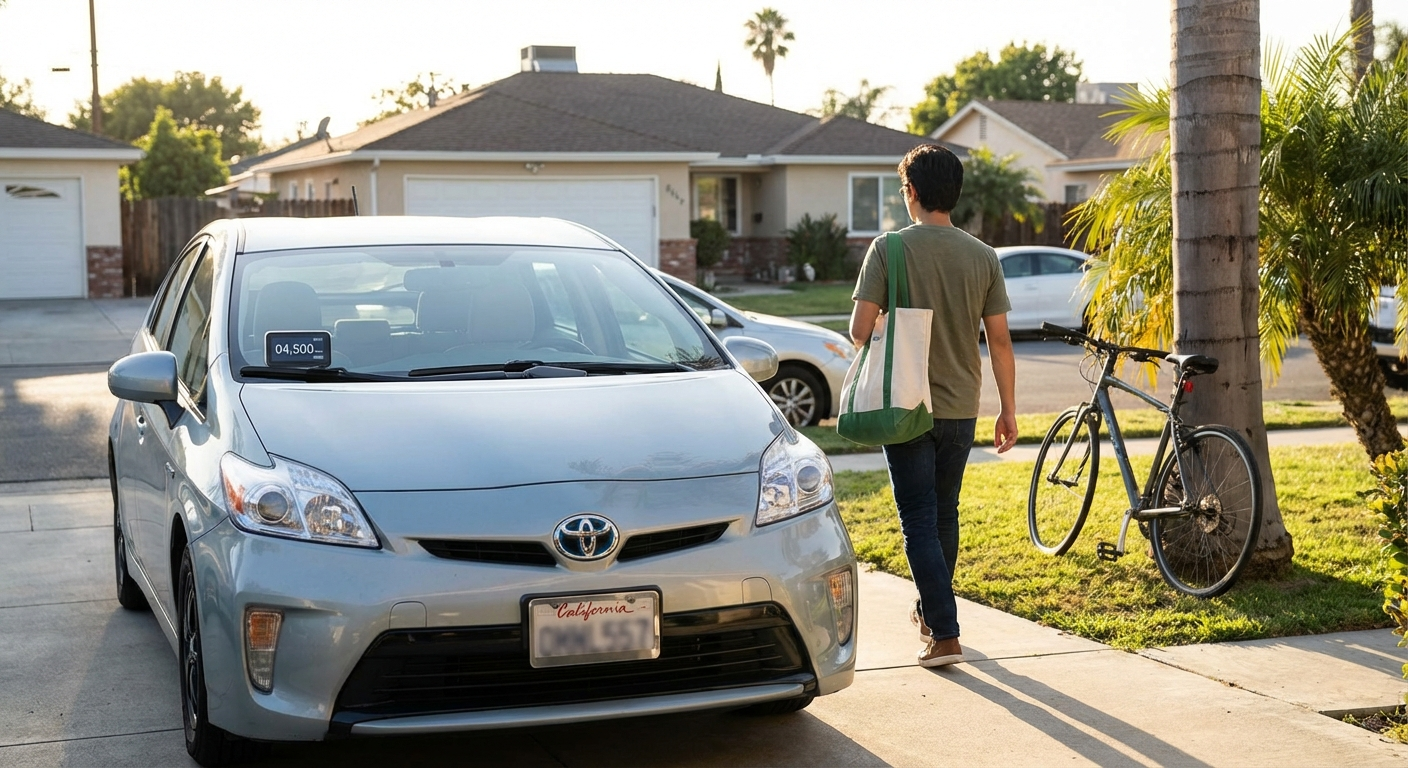
What exactly counts as “low mileage”? It’s not a universal number, but generally, insurers in California consider anything under 7,500 miles per year to be low mileage. Some might set the bar at 10,000 miles, others as low as 5,000. It truly varies by company.
Who usually qualifies? Think about it:
- Remote Workers: The rise of working from home means many Californians aren’t commuting daily anymore. If your office is now your living room, your car might sit idle for days.
- Retirees: Once you’re out of the daily grind, driving often becomes less frequent, limited mostly to errands or leisure trips.
- Students: Especially those who live on campus and walk or bike everywhere.
- Second Cars: If you have a primary vehicle for most trips and a secondary car that’s only used occasionally for specific purposes, that second car is a prime candidate.
- Public Transit Users: For those in urban centers like Los Angeles or San Francisco who rely heavily on BART or Metro, their personal car might be a weekend-only affair.
If any of these scenarios sound like you, you’re likely leaving money on the table without this discount.
Step 4: Finding the Right Insurer for Low Mileage Discounts
Not every insurance company offers the same low mileage discount, or even the same type of program. Some might have a flat percentage discount for drivers under a certain threshold. Others might use the telematics approach, where your discount is directly tied to your actual driving behavior as monitored by their device or app.
This is why shopping around is so incredibly important. You might be with a company that offers a decent discount, but another insurer might offer an even better one, or have a program that’s a better fit for your specific driving habits. For instance, one company might give a 10% discount for under 7,500 miles, while another might offer up to 25% through a UBI program if you consistently drive under 5,000 miles and demonstrate safe driving habits.
A good independent agent, like Karl Susman of Los Angeles Auto Insurance Quotes, CA License #0B75129, can be a huge asset here. They work with multiple carriers and can quickly compare different programs and discounts to find the best fit for you. You don’t have to call a dozen companies yourself. Just one call to (877) 411-5200 could save you hours and hundreds of dollars.
Step 5: The Application Process — Getting Your Discount
Getting a low mileage discount usually isn’t complicated, but it does require a bit of action on your part.
- Be Honest About Your Annual Mileage: When you get a quote or renew your policy, you’ll be asked about your estimated annual mileage. Provide an accurate number. Don’t lowball it hoping for a better rate if you actually drive more — that could lead to problems down the line if an accident occurs and your mileage is significantly higher than reported.
- Ask Specifically for the Discount: Don’t assume your agent or the online system will automatically apply it. Always ask, “Do I qualify for a low mileage discount? What are the requirements?”
- Prepare for Verification: If you’re going the traditional route, be ready to provide an odometer reading. This might involve taking a photo of your dashboard or having a mechanic verify it. For telematics programs, be prepared to install the device or download the app.
- Consider Your Commute: If you recently started working remotely, or your commute significantly shortened, make sure your insurer knows. This change in lifestyle is a prime reason for a discount.
It’s pretty straightforward, but you do have to be proactive.
Step 6: Keeping That Discount Year After Year
Once you’ve got your low mileage discount, you’ll want to keep it. This usually means continuing to drive fewer miles than the threshold set by your insurer. If you’re using a telematics device, just keep driving safely and sparingly. The data will speak for itself.
If you’re on an odometer-based program, your insurer might ask for updated readings at renewal. Make sure you provide them promptly. Life changes, and so do driving habits. If your mileage increases substantially — say you switch jobs and now have a long commute — be upfront with your insurer. It’s better to adjust your policy proactively than to face issues later.
Beyond Mileage: Other Ways to Save in the Golden State
While low mileage is a fantastic way to save, it’s not the only one. California’s insurance market is complex, influenced by factors like Proposition 103, which mandates that rates be based primarily on your driving record, annual mileage, and years of driving experience. This means good drivers who don’t drive much are in a strong position for savings.
Other common discounts you should always ask about include:
- Good Driver Discount: If you’ve got a clean driving record for the past three to five years, you’re likely eligible.
- Multi-Policy Discount: Bundling your auto and home insurance with the same carrier can often lead to significant savings on both.
- Safety Features: Cars with advanced safety features like anti-lock brakes, airbags, and anti-theft devices often qualify for discounts.
- Good Student Discount: If you have a young driver on your policy who maintains good grades.
- Defensive Driving Courses: Completing an approved defensive driving course can sometimes earn you a discount, especially if you’re a senior driver.
Don’t just settle for the first quote you get. There’s almost always a way to shave off a few more dollars.
Ready to see if your low mileage can translate into real savings? You don’t have to guess. Get a personalized quote today and let an expert help you find every discount you deserve.
FAQ: Low Mileage Auto Insurance in California
Q1: Will my insurance company automatically apply a low mileage discount?
Not necessarily. While some insurers might factor in your estimated mileage when providing a quote, it’s always best to specifically ask your agent or the company if you qualify for a low mileage discount and what their specific requirements are. Being proactive ensures you don’t miss out on potential savings.
Q2: What if I start driving more after getting a low mileage discount?
If your driving habits change and you start driving significantly more miles annually, you should inform your insurance company. Failing to do so could lead to issues if you have an accident and the insurer discovers you misrepresented your mileage. It’s always better to be honest and adjust your policy than risk a claim being denied or your policy being canceled.
Q3: Are telematics devices safe for my car and my privacy?
Telematics devices are generally safe for your vehicle and won’t cause damage. Regarding privacy, most insurance companies clearly outline what data they collect and how it’s used – primarily for calculating your premium and offering discounts. If you have concerns, read the terms and conditions carefully or discuss them with an agent like Karl Susman at Los Angeles Auto Insurance Quotes. Many drivers find the savings outweigh the privacy considerations.
Q4: How much can I really save with a low mileage discount in California?
The amount you can save varies widely depending on your insurer, your specific mileage, your driving record, and other factors. Discounts can range from a modest 5% to upwards of 25% or more, especially with usage-based programs that reward very low mileage and safe driving. Even a small percentage can add up to hundreds of dollars over a year, which is a big difference.
Q5: Can I get a low mileage discount if I live in a high-traffic area like the Inland Empire or the Valley?
Absolutely. Your location might influence your base premium, but a low mileage discount is based on how *much* you drive, not *where* you drive. If you live in a busy area but rarely use your car, you’re still a lower risk for an insurer and should qualify for the discount. It’s about your personal usage.
Don’t let high California insurance rates keep you from getting the coverage you need. Take control of your costs. If you think you might qualify for a low mileage discount, or just want to explore all your options, a quick chat with an experienced agent can make all the difference. Karl Susman and his team at Los Angeles Auto Insurance Quotes, CA License #0B75129, are ready to help you navigate the complexities of the California market. Give them a call at (877) 411-5200 or visit https://losangelesautoinsurancequotes.com/get-a-quote/ to get started. Imagine what you could do with those extra dollars. A nice dinner out? A weekend trip up the coast? It’s your money, after all.
This article is for informational purposes only and does not constitute financial advice.