So, You’re a New Driver in California? Welcome to the Club!
That fresh driver’s license in your wallet? It feels pretty amazing, doesn’t it? The open road beckons, maybe a cruise down Pacific Coast Highway, or just the freedom of running your own errands without begging for a ride. It’s a big step toward independence, a real milestone. But before you hit the gas pedal, there’s a big, very important step you absolutely can’t skip: getting the right car insurance.
Honestly, it’s not the most exciting part of getting your license. Nobody dreams of liability limits. But here in California, having car insurance isn’t just a good idea; it’s the law. And for new drivers, understanding what that means can feel like deciphering a whole new language. You’re not alone if it feels a little overwhelming. We’ll break it down for you.
The Absolute Must-Haves: California’s Minimum Requirements
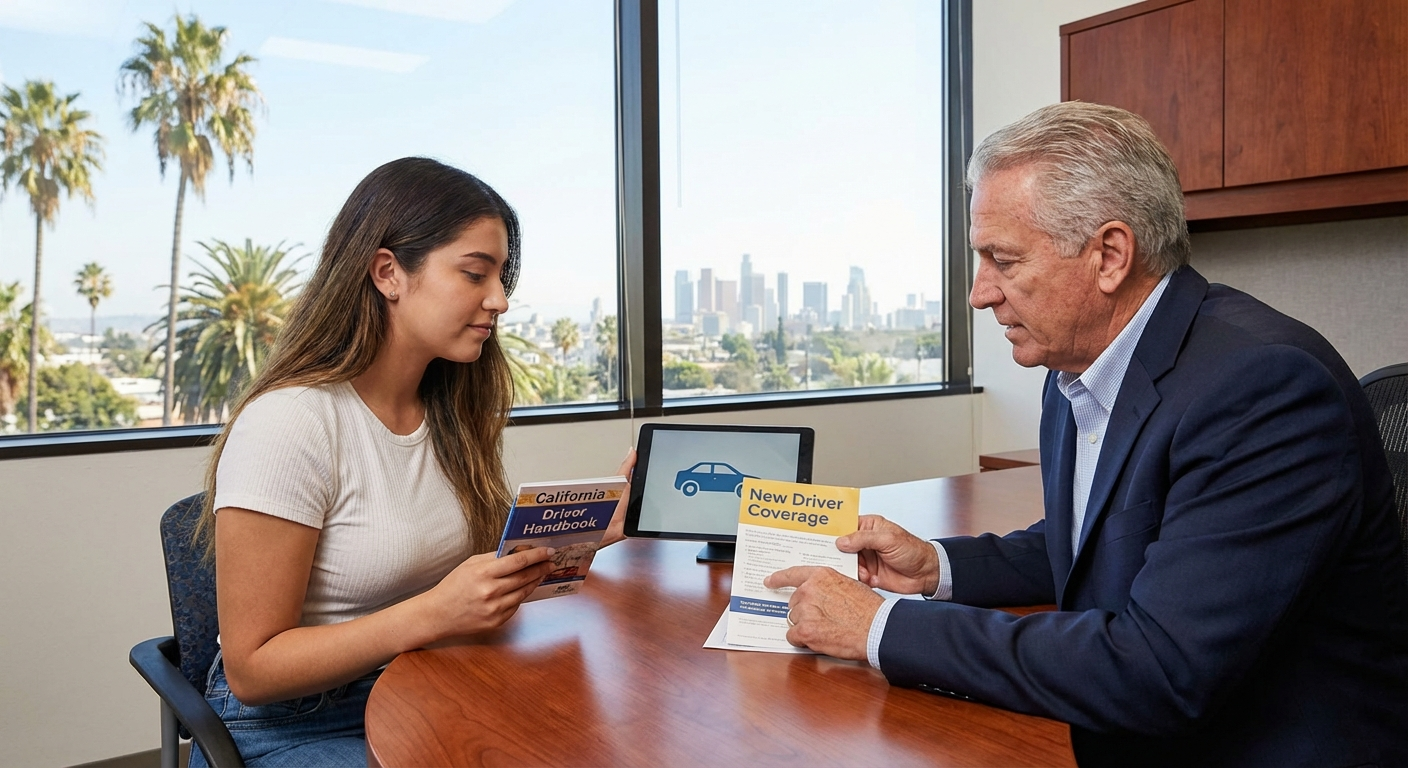
Every single driver on California roads needs to carry a certain amount of liability insurance. This isn’t optional; it’s non-negotiable. The Golden State has specific minimums, often referred to as 15/30/5. This shorthand describes three key numbers for your liability coverage:
What Do Those Numbers Even Mean?
*
* $15,000 for bodily injury per person: If you cause an accident, this is the maximum your insurance will pay for medical expenses, lost wages, and pain and suffering for any one person injured in the other car.
* $30,000 for bodily injury per accident: This is the total maximum your insurance will pay for all people injured in the other car, no matter how many there are.
* $5,000 for property damage per accident: This covers damage you cause to someone else’s property – usually their car, but it could also be a fence, a mailbox, or even a building.
Now, those numbers might sound like a lot, especially if you’re picturing a minor fender bender in a quiet neighborhood. But let’s be real. A small accident on the 405 in rush hour, or even just bumping into a new Mercedes-Benz in a Ventura County parking lot? Five thousand dollars for property damage disappears faster than you can say “deductible.” Medical bills, especially with California’s healthcare costs, can skyrocket with even minor injuries. Many experienced drivers, including folks like Karl Susman at Los Angeles Auto Insurance Quotes, will tell you these state minimums are almost never enough to truly protect you.
Beyond the Basics: What Smart Drivers Consider
While liability covers the *other* person and *their* property when you’re at fault, what about your own car? And what if something happens that isn’t even your fault? This is where other types of coverage come into play, and they’re especially important for new drivers who might be driving a car that’s new to them, or one they’ve worked hard to get.
Why More Coverage Isn’t Just “Extra”
*
* Collision Coverage: This pays to repair or replace your own car if it’s damaged in an accident, regardless of who caused it. If you’re driving a car that’s less than, say, ten years old, or one you couldn’t easily afford to replace out-of-pocket, collision is a smart move. Think about it: a distracted driver backs into you in a crowded grocery store parking lot in the Inland Empire. Without collision, you’re on the hook for your repairs.
* Comprehensive Coverage: This covers damage to your car from things *other* than collisions. We’re talking theft, vandalism, fire, hail, falling objects, or hitting an animal – like a deer crossing a country road near Big Bear. With California’s wildfire season becoming a yearly event, comprehensive coverage is also what would help if your car was damaged by fire, even if you weren’t driving it. For many drivers, especially if you have a car loan, your lender will demand you carry both collision and comprehensive.
* Uninsured/Underinsured Motorist (UM/UIM) Coverage: Here’s where it gets interesting. Even though insurance is mandatory, plenty of drivers in California still don’t have it. Or they only carry those bare minimums. If one of *them* hits *your* car, and they’re at fault, UM/UIM helps cover your medical bills and property damage. It’s a bit like having insurance for when other people break the law. This coverage is something Karl Susman often recommends, because it protects you from the choices other drivers make.
Not carrying enough insurance means you’re gambling with your financial future. If you cause a serious accident and your insurance limits are too low, you could be sued for the difference. That means your savings, your future earnings, even your family’s assets could be at risk. It’s a scary thought, but a real one.
The “New Driver” Factor: Why It Costs More (and What You Can Do)
Let’s not sugarcoat it: car insurance for new drivers, especially young ones, costs more. Sometimes, it costs a lot more than what an experienced driver pays. Why? Insurers look at risk, and unfortunately, new drivers, particularly those under 25, statistically have a higher chance of getting into an accident. It’s not personal; it’s just how the numbers shake out.
But wait — that doesn’t mean you’re doomed to pay sky-high rates forever. Here’s how you can try to keep those premiums in check.
Discounts That Can Help Trim the Bill
*
* Good Student Discount: If you’re still in high school or college and maintain a certain GPA (usually a ‘B’ average or higher), many insurers offer a discount. Keeping those grades up literally pays off.
* Driver Education/Defensive Driving Courses: Completing an approved driver education course, even after you have your license, can sometimes earn you a discount. It shows insurers you’re serious about safe driving.
* Telematics or Usage-Based Insurance Programs: These programs involve installing a device in your car or using a smartphone app that monitors your driving habits – things like speed, braking, and mileage. Drive safely, and you could see lower rates. Just remember, you’re sharing your driving data.
* Bundling Policies: If you’re living independently and also need renter’s insurance, or if you’re on a family plan and your parents have their homeowner’s policy with the same company, bundling auto with other policies can often lead to significant savings.
* Multi-Car Discount: If there’s more than one car in your household insured with the same company, you’ll likely get a discount.
* Higher Deductibles: This is a balancing act. Your deductible is the amount you pay out-of-pocket before your insurance kicks in for collision or comprehensive claims. A higher deductible usually means a lower premium, but make sure you can actually afford that deductible if you need to file a claim.
Getting Your First Policy: What You’ll Need
When you’re ready to get quotes and set up your policy, having this information handy will make the process much smoother:
*
* Your Driver’s License Number: This is fundamental.
* Vehicle Information: The VIN (Vehicle Identification Number), make, model, year, and any safety features of the car you’ll be driving.
* Your Address: Where you live matters. Rates can vary significantly depending on your specific zip code – a car parked in a busy city like San Francisco might have different risks than one in a quieter town in Shasta County.
* Driving Record: Even if you’re new, they’ll check for any incidents during your permit phase.
* Any Previous Insurance History: If you were previously listed on a parent’s policy, that history can sometimes be helpful.
Finding the Right Fit: Don’t Go It Alone
Comparing car insurance quotes can feel like trying to solve a puzzle with missing pieces. Every company seems to offer something slightly different, and understanding the jargon can be a headache. That’s why working with an independent insurance agent is such a smart move, especially for new drivers.
An independent agent, like Karl Susman at Los Angeles Auto Insurance Quotes, doesn’t work for just one insurance company. Instead, they work with many different insurers – State Farm, AAA, Farmers, and countless others. They can compare policies and prices from multiple carriers to find the best fit for your specific needs and budget. They understand California’s unique insurance rules, like Prop 103, and they can explain everything in plain English. Karl Susman, CA License #OB75129, has been helping Californians find the right coverage for years, and he knows how to help new drivers get started on the right foot.
Ready to see what options are out there for you? Don’t spend hours on comparison websites. Let a professional do the legwork.
Get a California Car Insurance Quote Today!
Common Pitfalls and How to Avoid Them
Even with the best intentions, it’s easy to make mistakes that can cost you money or even your driving privileges.
*
* Driving Uninsured: This is a big one. If you’re caught driving without proof of financial responsibility (i.e., insurance), you’re looking at hefty fines, possible license suspension, and your car could even be impounded. The penalties get worse for repeat offenses.
* Lying on Your Application: Don’t ever fudge details about your driving history, your address, or who the primary driver of a vehicle is. If an insurer finds out you’ve misrepresented facts, they can cancel your policy retroactively, leaving you completely exposed.
* Forgetting to Update Your Policy: Did you move? Get a new car? Add a new driver to the household? Always tell your insurance company. Your rates might change, but it’s far better than having a claim denied because your policy information was out of date.
What If You’re Not 18 Yet? The Provisional License Angle
Many new drivers in California start with a provisional license, often at 16 or 17. During this period, there are specific restrictions on when you can drive and with whom. From an insurance standpoint, if you’re under 18, you’ll almost certainly be added to your parent or guardian’s existing car insurance policy. They’ll need to list you as a driver for any vehicles you’ll be operating. This usually means a jump in their premium, but it’s the right way to ensure you’re covered. As you gain experience and eventually get your full license, those rates will likely begin to normalize.
Looking Ahead: Staying Insured and Staying Smart
Car insurance isn’t a “set it and forget it” kind of thing. As a new driver, your situation will change. You’ll gain experience. Maybe you’ll buy your own car, or move to a different neighborhood. You might even earn more discounts as you prove yourself to be a safe driver over time.
It’s a smart idea to review your policy every year or so, especially if your circumstances change. You want to make sure you still have the right amount of coverage for your current needs and that you’re getting all the discounts you qualify for. The good news is, as you become a more seasoned driver, your insurance costs typically go down. That’s something to look forward to.
Need help reviewing your current policy or getting a fresh start? Karl Susman and the team at Los Angeles Auto Insurance Quotes are ready to assist.
Let’s Talk About Your California Car Insurance!
Frequently Asked Questions About California Car Insurance for New Drivers
Q1: Can I get car insurance with just a learner’s permit in California?
A1: Typically, no. If you have a learner’s permit, you’ll need to be listed on the policy of the licensed driver who owns the car you’re practicing in. You can’t get your own standalone policy until you have a valid California driver’s license.
Q2: How long will I be considered a “new driver” for insurance purposes?
A2: There’s no single, hard-and-fast rule, but generally, insurers consider drivers “new” or “inexperienced” for the first three to five years after getting their license. Your rates will often start to drop significantly once you pass the three-year mark without any accidents or violations.
Q3: What happens if I get into an accident without insurance in California?
A3: The consequences are serious. You’ll face fines, your license could be suspended, and your vehicle might be impounded. On top of that, you’ll be personally responsible for all damages and medical bills for anyone involved in the accident, which could be financially devastating.
Q4: Does my credit score affect my car insurance rates in California?
A4: No, not directly. Thanks to Proposition 103, California law prohibits insurance companies from using your credit score to determine your auto insurance rates. They look at factors like your driving record, years of driving experience, where you live, and the type of car you drive.
Q5: Can I use an out-of-state license to get California car insurance?
A5: You can get insurance with an out-of-state license, but if you become a California resident, you’ll generally need to obtain a California driver’s license within a reasonable timeframe (typically 10 days) after establishing residency. Insurers will expect you to comply with state licensing laws.
This article is for informational purposes only and does not constitute financial advice.