
That Awful Moment: When Your Car is Gone and Life Isn’t
Picture this: It’s a Tuesday morning in Santa Clarita. Sarah Miller is hustling her two kids into the minivan – soccer practice, then school, then her shift at the small accounting firm. Her husband, Tom, is already on the 5 Freeway, battling the usual traffic into Burbank. Life, as it often does in California, is a carefully choreographed dance around car schedules.
Then, the phone rings. It’s Tom. His voice sounds tight. A distracted driver, looking at their phone, swerved right into him on the 101. Not a major injury, thankfully. But Tom’s reliable sedan? It’s sitting on the side of the road, looking like a crumpled piece of tin foil. Totaled, the tow truck driver will later confirm.
Suddenly, their two-car household is down to one. Sarah now needs to juggle school runs, her own commute, and Tom’s physical therapy appointments with a single vehicle. They’d always focused on getting good rates for their auto insurance, making sure they had decent liability, collision, and comprehensive coverage. But a rental car? That hadn’t really been top of mind. For a few days, they made it work, borrowing a friend’s spare. But then the friend needed it back. And the repair shop said Tom’s car was a goner, and finding a new car in this market would take weeks, maybe months.
That’s when the real headache began. Renting a car in Los Angeles County, even for a few weeks, can quickly drain a bank account. A compact SUV might run you $50-$70 a day. Over a month? We’re talking well over a thousand dollars. The Millers, like many Californians, hadn’t considered how a simple add-on to their auto policy could have saved them this financial pain.
What’s Rental Reimbursement, Anyway?
Simply put, rental reimbursement coverage is what pays for a rental car when your own vehicle is out of commission due to a covered accident. It’s not standard on every policy. Most people buying auto insurance in California focus on the big stuff: liability to protect themselves if they cause an accident, and collision or comprehensive to fix their own car if it gets damaged or stolen. But what do you do while your car’s in the shop, or if it’s totaled and you’re waiting for a settlement?
This is where rental reimbursement steps in. It’s an optional coverage, meaning you have to ask for it and pay a bit extra. But for many, especially those who rely heavily on their car for work or family in places like the sprawling Inland Empire or the distant parts of Orange County, it’s a small price for a whole lot of peace of mind.
Most policies structure this coverage with daily limits and an overall maximum. You might see something like “$30/day with a $900 maximum.” That means your insurer will pay up to $30 a day for a rental car, until you hit $900 total. You choose these limits when you buy the policy.

Why You Might Really Need It in California
Let’s be honest, life without a car in most of California is, well, tough. Try getting from, say, Temecula to a job in Irvine using public transport. Or ferrying kids to school and activities in Ventura County. For most of us, our cars aren’t just vehicles; they’re essential tools for living.
Consider the current state of auto repairs. Parts delays are common. Staffing shortages at repair shops can mean your car sits for weeks, sometimes months, waiting for a simple fender repair. Even if your car isn’t totaled, a minor accident can leave you stranded for an extended period. If your policy only covers the repairs, but not the interim rental, you’re stuck paying out of pocket.
And the cost of rental cars here? It’s not cheap. Especially in major metros like Los Angeles, San Diego, or around popular spots like Santa Barbara. After the storms that hit last winter, or even the wildfire scares we’ll probably see in places like the canyons of Malibu in 2025, rental car demand can spike, driving prices through the roof. Having rental reimbursement means you won’t have to scramble to find the cheapest, often less-than-ideal, option. You can get something comparable to your own vehicle, within your policy limits.
The Other Driver’s Fault? Don’t Count on a Quick Rental.
Here’s where it gets interesting. Many people assume if someone else hits them, the other driver’s insurance will simply hand them the keys to a rental car right away. Not always. The short answer is yes, ultimately, if the other driver is found at fault, their insurance *should* cover your rental. The real answer is more complicated.
Insurance companies need to investigate. They need to determine fault. This process can take days, sometimes weeks. In the meantime, you’re without a car. Are you going to wait around for their claims adjuster to finish their work, missing work or doctor’s appointments? Probably not. You’ll likely rent a car yourself.
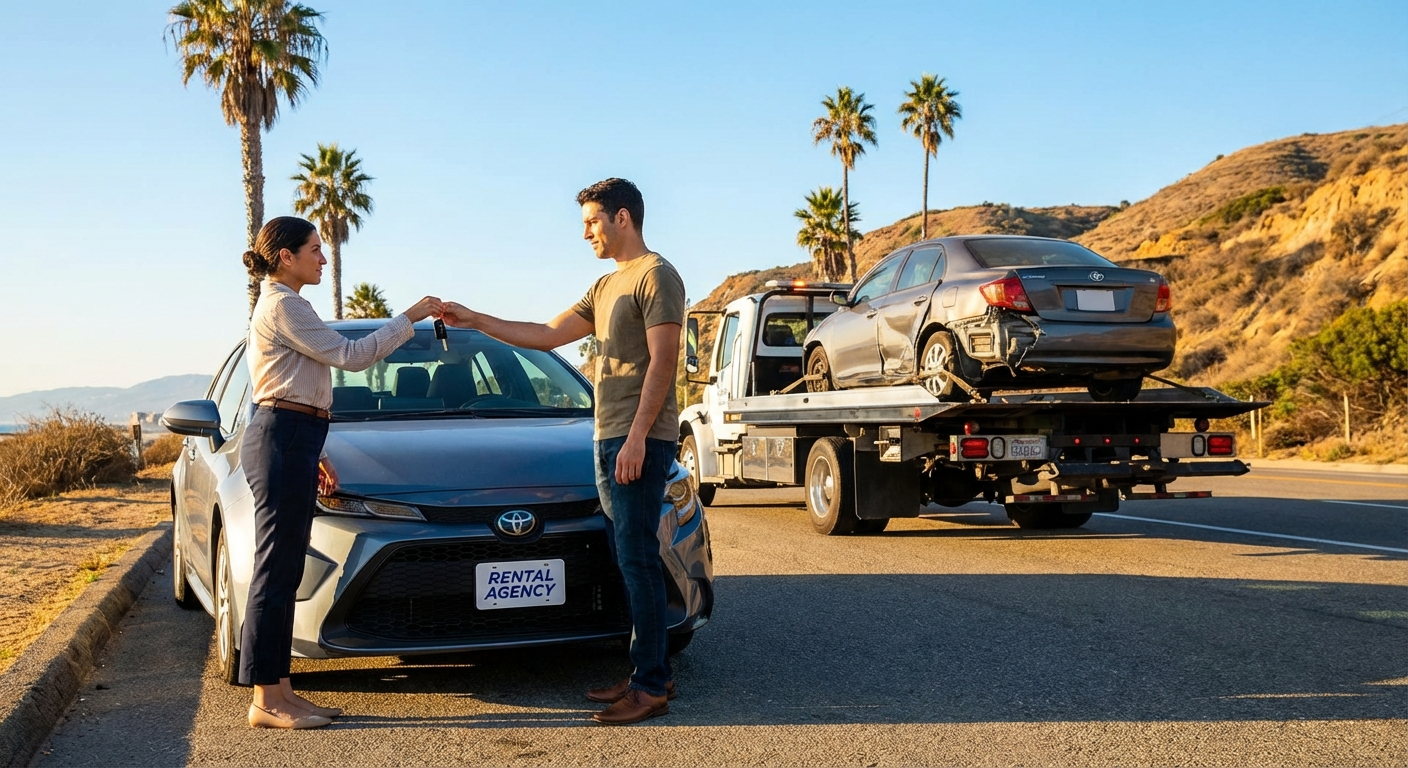
If you have rental reimbursement on *your own* policy, you can get a rental car immediately. Your insurance company pays for it, then they go after the at-fault driver’s insurer to get their money back. This is called subrogation. It removes the immediate financial burden from you and lets you get back on the road sooner. Think of it as your own insurer providing an advance on your rental needs.
What Rental Reimbursement Doesn’t Cover
It’s not a magic pass for any car issue. Rental reimbursement only kicks in for *covered accidents*. That means if your car breaks down because of mechanical failure – say, the transmission gives out on the 405 – your auto insurance rental reimbursement won’t cover a rental car. That’s a maintenance issue, not an accident.
Similarly, if you simply want a rental car for a vacation, or if your car is in the shop for routine maintenance like an oil change or new tires, this coverage won’t apply. It’s strictly for when your car is undrivable due to a claim covered by your collision or comprehensive insurance.
Choosing the Right Daily and Total Limits
When you’re looking at your policy, you’ll see options for daily limits – maybe $30, $40, $50, or even $75 a day. Then there’s the total maximum: $900, $1,200, $1,500. Which one makes sense for you?
Think about your usual car. If you drive a newer SUV or a larger family sedan, $30 a day might only get you a compact car. That could be a real squeeze if you’re trying to haul kids and their gear around. A higher daily limit, say $50, gives you more flexibility to rent something comparable to what you’re used to.
Then there’s the total maximum. If your car is totaled, or if it needs extensive repairs, it could be weeks or even months before you’re back in your own vehicle. A $900 maximum, at $30 a day, only covers 30 days. What happens on day 31? You’re paying out of pocket. For someone like the Millers, whose car was totaled, a higher maximum – maybe $1,500 or even $2,000 – would have been a smart move. Repair times can be unpredictable. After all the supply chain issues we’ve seen since 2020, even a simple part can hold up a repair for weeks.
Many people find that upgrading their rental reimbursement coverage only adds a small amount to their overall premium. It’s often one of the most cost-effective add-ons you can get for the peace of mind it offers.
Getting Back on the Road with Karl Susman
Navigating auto insurance can feel like trying to solve a puzzle with half the pieces missing. There are so many options, so many “what ifs.” That’s why having someone who understands the nuances of California insurance is invaluable. Karl Susman of Los Angeles Auto Insurance Quotes, CA License #0B75129, has been helping Californians understand these coverages for years. He’s seen firsthand the relief clients feel when they realize they actually *do* have rental reimbursement after an accident.
“Too many people call us after an accident, stressed about how they’re going to get to work or pick up their kids,” Karl explains. “It’s a huge burden. Often, for just a few extra dollars a month, they could have avoided that stress entirely. It’s not just about covering the car; it’s about covering your lifestyle.”
He’s right. Especially in a state where driving is so integral to daily life, not having a car can throw everything off kilter. Imagine trying to coordinate rides for your family if you live in, say, the furthest reaches of the Antelope Valley. It’s a logistical nightmare.
If you’re unsure about your current coverage, or if you want to explore adding rental reimbursement to your policy, it’s worth a conversation. You don’t want to be like the Millers, scrambling for transportation after an unexpected accident. They eventually got a rental car and were reimbursed, but the initial confusion and stress could have been avoided.
It’s about being prepared. It’s about not letting an accident derail your entire life.
Ready to see what options are available for your auto insurance, including rental reimbursement? Don’t wait until you’re stranded. Get a quote today and make sure you’re covered for whatever the road throws your way.
Frequently Asked Questions About Rental Reimbursement
Q: Will my rental car coverage work if I break down on the side of the road?
A: No, usually not. Rental reimbursement coverage is typically only for rental cars needed due to a covered accident or theft under your collision or comprehensive insurance. Mechanical breakdowns are not covered.
Q: How long can I keep the rental car under this coverage?
A: The duration depends on the total maximum limit of your policy. If you have a $900 maximum and a $30/day limit, you can keep the rental for up to 30 days. Once you hit that total maximum, you’ll start paying out of pocket.
Q: Does my deductible apply to rental reimbursement?
A: No, your deductible does not apply to rental reimbursement coverage. The daily and total limits are what govern how much your insurer will pay for the rental car.
Q: What kind of car can I rent?
A: You can usually rent any car, but your insurer will only pay up to your daily limit. If you choose a more expensive car, you’ll be responsible for the difference above your policy’s daily rate.
Q: Is rental reimbursement expensive to add to my policy?
A: Not usually. For most people, it’s a relatively inexpensive add-on that provides significant value and peace of mind, especially given the high cost of rental cars in California and potential delays in vehicle repairs.
Making sure your auto policy actually covers your real-life needs is a smart move. If you’re looking to review your coverage or simply want to understand your options, including rental reimbursement, reach out. You can connect with an expert like Karl Susman at Los Angeles Auto Insurance Quotes, CA License #0B75129, by calling (877) 411-5200. Or, if you’re ready to explore options online, you can always get a quick quote here.
This article is for informational purposes only and does not constitute financial advice.