
Your Car’s a Goner: What Exactly is a “Total Loss” in California?
So, you’ve been in an accident. Maybe it was a fender bender on the 405, or perhaps something more serious on a winding road in Ventura County. Your car’s mangled, and you’re hearing the dreaded words: “It’s a total loss.” For most folks, that means the repairs cost more than the car is worth. Seems simple, right?
But here’s the thing. It’s not always that straightforward. In California, a car is generally considered a total loss when the cost to repair the damage, plus the car’s salvage value — that’s what the insurer can get for selling the wrecked vehicle for parts or scrap — exceeds the vehicle’s actual cash value (ACV). That’s called the “total loss formula” (TLF). Some states have a specific threshold, say 75% or 80% of ACV, but California leans heavily on that TLF.
What’s ACV? It’s not what you paid for the car. It’s definitely not what it would cost to buy a brand-new version today. No, ACV is the fair market value of your vehicle just before the accident. It accounts for depreciation, mileage, condition, and any pre-existing damage. Imagine if you were selling your car the day before the crash. What would a reasonable buyer pay? That’s the ACV. It’s a number that often surprises people, and not usually in a good way.
The Insurance Adjuster Called. Now What?
Many people think the first offer from an insurance company is typically fair. Honestly, that’s a common misconception. Remember, the adjuster works for the insurance company. Their job is to settle the claim, and while they want to be fair, they also have the company’s bottom line in mind. You shouldn’t just accept the first number they throw out.
You have power in this situation. Do your own homework. Look up what similar vehicles — same make, model, year, mileage, and condition — are selling for in your area. Check sites like Kelley Blue Book or NADA Guides, but also scour local dealer websites or online marketplaces for cars sold in places like Sacramento or the Inland Empire. Gather photos of your car from before the accident, especially if it was in pristine condition. Did you just put on new tires? Have a recent major service? Those things count.
The adjuster will present their own “comparable vehicle” report. Sometimes, those comps aren’t quite apples to apples. Maybe they’re from a less desirable part of the state, or they have higher mileage, or they’re missing features your car had. It’s on you to scrutinize that list. Point out the discrepancies. Don’t be afraid to push back politely but firmly.

What Goes Into That Settlement Check?
You might assume you just get a check for your car’s value. That’s not the whole story. The total loss settlement typically includes the actual cash value of your vehicle, plus any applicable sales tax and registration fees you would pay if you were buying a replacement car. It’s meant to put you in a position to buy a similar vehicle without being out of pocket for those basic costs.
But wait — what about your deductible? Yes, your deductible still applies. If your ACV is $15,000 and you have a $500 deductible, the insurance company will subtract that $500 from the settlement amount. So, you’d get $14,500, assuming no other factors.
Here’s where it gets interesting for many Californians, especially those who bought a new car with little money down in places like the Bay Area or Orange County. What if you owe more on your car loan than the car is worth? It happens all the time, particularly with long loan terms or rapid depreciation. This is where gap insurance becomes a lifesaver. Without it, your settlement check might go entirely to the lender, and you’d still owe them money for a car you no longer have. Gap insurance covers that “gap” between what your car is worth and what you still owe. It’s a smart add-on for many new car buyers.
My Car Was Modified. Does That Matter?
Many drivers personalize their vehicles. Maybe you installed a fancy stereo system, added custom rims, or even boosted the engine performance. You’d expect those investments to be covered, right? Not always.
Standard auto insurance policies usually cover the factory-installed parts of your car. If you’ve added aftermarket parts or made significant modifications, they might not be included in the ACV calculation unless you specifically insured them. Things like custom paint jobs, performance upgrades, or expensive sound systems often need a special endorsement — an extra rider — on your policy.
This is exactly why having a good conversation with your insurance agent is so important. Someone like Karl Susman at Los Angeles Auto Insurance Quotes, CA License #0B75129, can walk you through what’s covered and what might need an additional endorsement. Don’t assume your cool new accessories are automatically protected.
The Lender Still Wants Money. Who Pays?
“My car’s totaled, so my loan just vanishes, right?” That’s another common myth. The short answer is no. The real answer is more complicated.
You signed a contract with your lender. That contract obligates you to pay back the loan, regardless of what happens to the car. When your car is declared a total loss, your insurance company will pay the lender first. If the settlement amount is less than what you owe, you’re still responsible for that remaining balance.
This is precisely the scenario where gap insurance earns its keep. If you owe $20,000 and your car’s ACV is $16,000, gap insurance would cover that $4,000 difference (minus your deductible, if applicable). Without it, you’d be making payments on a car that’s now a pile of scrap metal. It’s a tough spot to be in, and one that many Californians find themselves in after a major accident.
What If I Disagree With the Settlement Offer?
It’s easy to feel powerless against a big insurance company. They have teams of adjusters and lawyers. But you’re not without recourse. If you believe the initial settlement offer is too low, you absolutely should push back.
First, gather all your evidence. Those comparable sales, repair records, maintenance receipts, and photos of your car’s condition before the crash? Now’s the time to use them. Write a letter or email to your adjuster, clearly outlining why you disagree with their valuation and providing your supporting documentation. Ask for a re-evaluation.
If that doesn’t work, you can escalate the issue within the insurance company. Ask to speak to a supervisor. If you still can’t reach a fair agreement, you can file a complaint with the California Department of Insurance (DOI). The DOI is there to protect consumers, and they can investigate your claim. Sometimes, just the threat of a DOI complaint can prompt an insurer to reconsider their offer.
It also helps to have an advocate. An experienced independent agent, like Karl Susman at Los Angeles Auto Insurance Quotes, CA License #0B75129, phone (877) 411-5200, can often offer guidance or even intercede on your behalf. They know the ropes and can help you understand your rights and options.
What Happens to My Totaled Car?
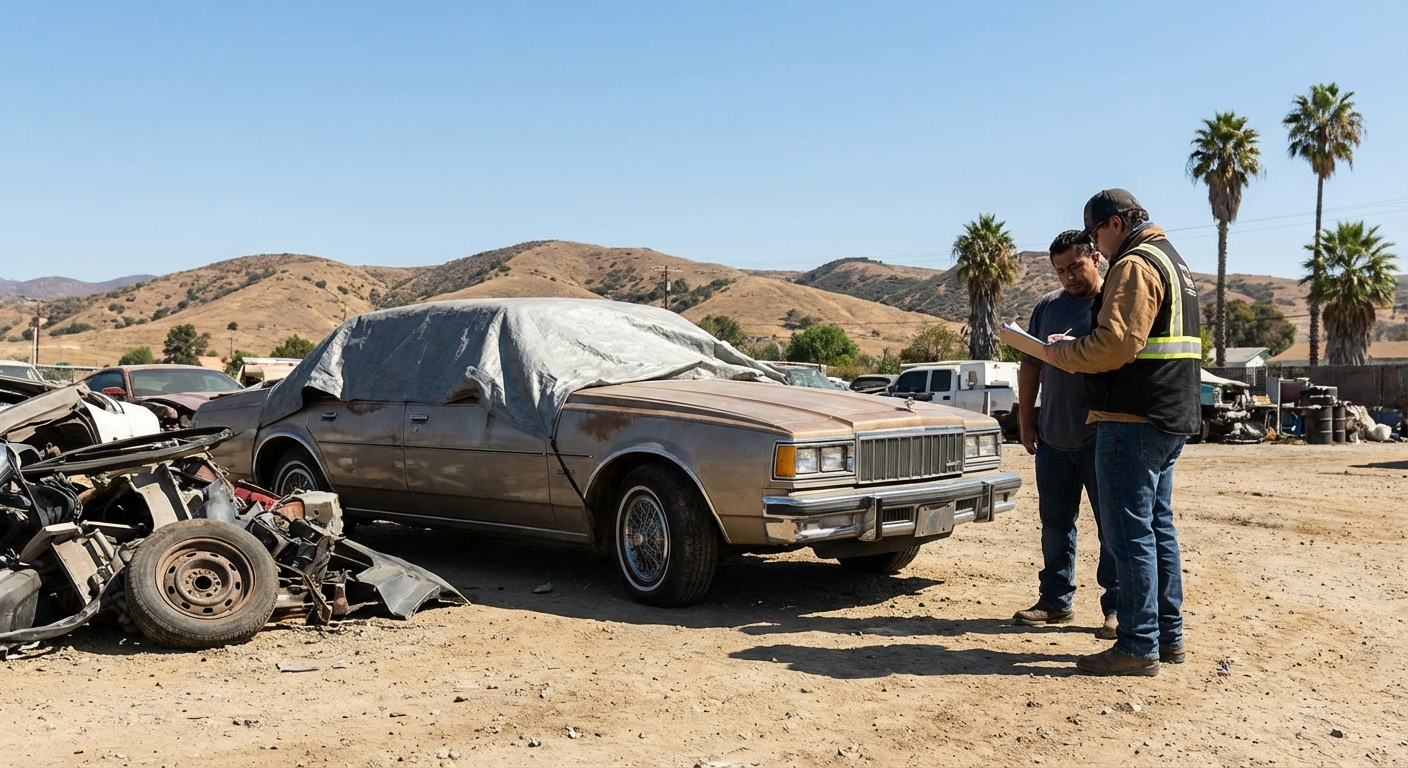
“It’s my car, I can keep it, right?” You can, but it comes with a few strings attached. If you decide to keep your totaled vehicle — often called “owner retention” — the insurance company will subtract the salvage value from your settlement check. They’re essentially paying you for the car, but then immediately buying the salvage back from you.
The bigger issue, though, is the title. If you keep a totaled car, it will be issued a “salvage title” by the DMV. This means the car has been declared a total loss. Trying to repair and register a salvage-titled vehicle in California is a significant headache. You’ll need special inspections to prove it’s roadworthy, and even then, its resale value will be severely impacted. Most buyers shy away from salvage titles. For the vast majority of drivers, letting the insurance company take the totaled vehicle is the simpler, smarter path.
After a Total Loss, What’s Next for My Insurance?
A total loss can feel like a fresh start, but it often brings questions about your future insurance rates. Many people assume their premiums will definitely skyrocket. That’s not always the case.
Whether your rates go up depends on a few factors: who was at fault for the accident, your claims history, and even the specific insurer you’re with (think State Farm, AAA, Farmers, etc.). If you weren’t at fault, your rates might not change much at all. If you caused the accident, especially if you have other claims on your record, then yes, you’ll likely see an increase.
This is a really good time to review your policy. Maybe your old car was paid off and you only carried basic liability. Now you’re buying a newer vehicle, and you’ll definitely want to consider comprehensive and collision coverage, along with gap insurance if you’re financing. It’s an opportunity to make sure you’re properly protected moving forward.
Why not get a fresh perspective on your coverage? Find out what new options are available to you.
Get a fresh, personalized auto insurance quote today!
Don’t Get Caught Off Guard: Key Takeaways
Dealing with a total loss is stressful. It’s not just losing your car; it’s navigating a complex system when you’re already probably shaken up. Being proactive and understanding your policy *before* an accident makes a world of difference. Always read your policy, ask questions, and don’t be afraid to challenge an offer if it doesn’t seem right. An independent agent can be your best friend in these situations, helping you understand the fine print and advocating on your behalf.
Having the right coverage from the start means fewer headaches later.
Click here to get a free auto insurance quote and ensure you’re covered!
FAQ: California Total Loss Settlements
Q: Does my deductible apply to a total loss?
Yes, your deductible will be subtracted from your total loss settlement amount. For example, if your car’s actual cash value is $15,000 and your deductible is $500, you’d receive $14,500 (before any other adjustments like sales tax or registration fees).
Q: Can I keep my totaled car in California?
You can, but it’s generally not recommended. If you keep the vehicle, the insurance company will deduct its salvage value from your settlement. The car will then be issued a “salvage title,” making it difficult and costly to repair, register, and resell in the future.
Q: How long does a total loss settlement usually take?
The timeline can vary. Once your car is declared a total loss, the insurer typically has 30 days to make an offer under California law. The actual payment can take longer, especially if there’s negotiation involved or if you have a lienholder. Expect anywhere from a few weeks to a couple of months.
Q: What if I owe more on my car loan than the car is worth?
Without gap insurance, you’d be responsible for paying the difference between your outstanding loan balance and the total loss settlement amount. Your insurance company will pay the lender first, and if that doesn’t cover the full loan, you’ll still owe the rest.
Q: Will my insurance rates go up after a total loss?
Not necessarily. If you weren’t at fault for the accident, your rates might not increase. However, if you were at fault, or if you have a history of claims, you can expect your premiums to go up when you renew your policy.
This article is for informational purposes only and does not constitute financial advice.
Karl Susman, Los Angeles Auto Insurance Quotes, CA License #0B75129, phone (877) 411-5200